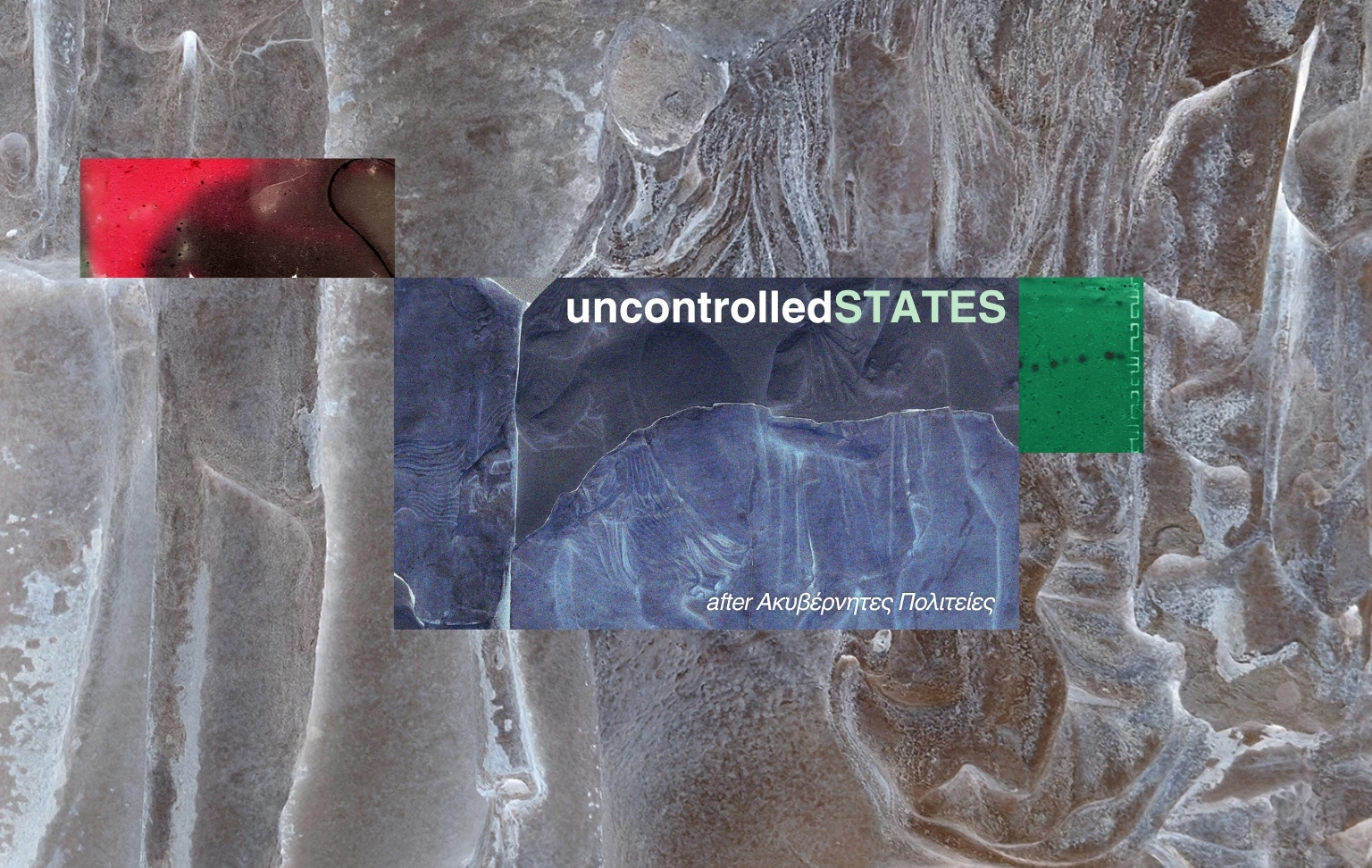
. Conceived as part of Argo Arts residency. Summer 2026, Athens
Uncontrolled States emerges from a meditation on the illusion of bordered existence — the feeble conviction that because we inhabit delineated territories, we must also limit our capacity to intrude upon one another with tenderness, allegiance, empathy, commerce, or care. Yet nature itself refuses such obedience. Bacteria traverse bodies without passports. Fungal networks move beneath sovereign ground. Seeds disperse across militarised frontiers. Even decay ignores ownership. The uncontrollable has never respected the architecture of the nation-state.
What began as an inquiry into the “ungoverned” gradually unfolded into an epiphany: perhaps the most uncontrollable state is not disorder, but becoming itself. Becoming is the condition through which all things continuously exceed their assigned forms — politically, biologically, spiritually. It is movement before categorisation. Relation before border. Transformation before identity.
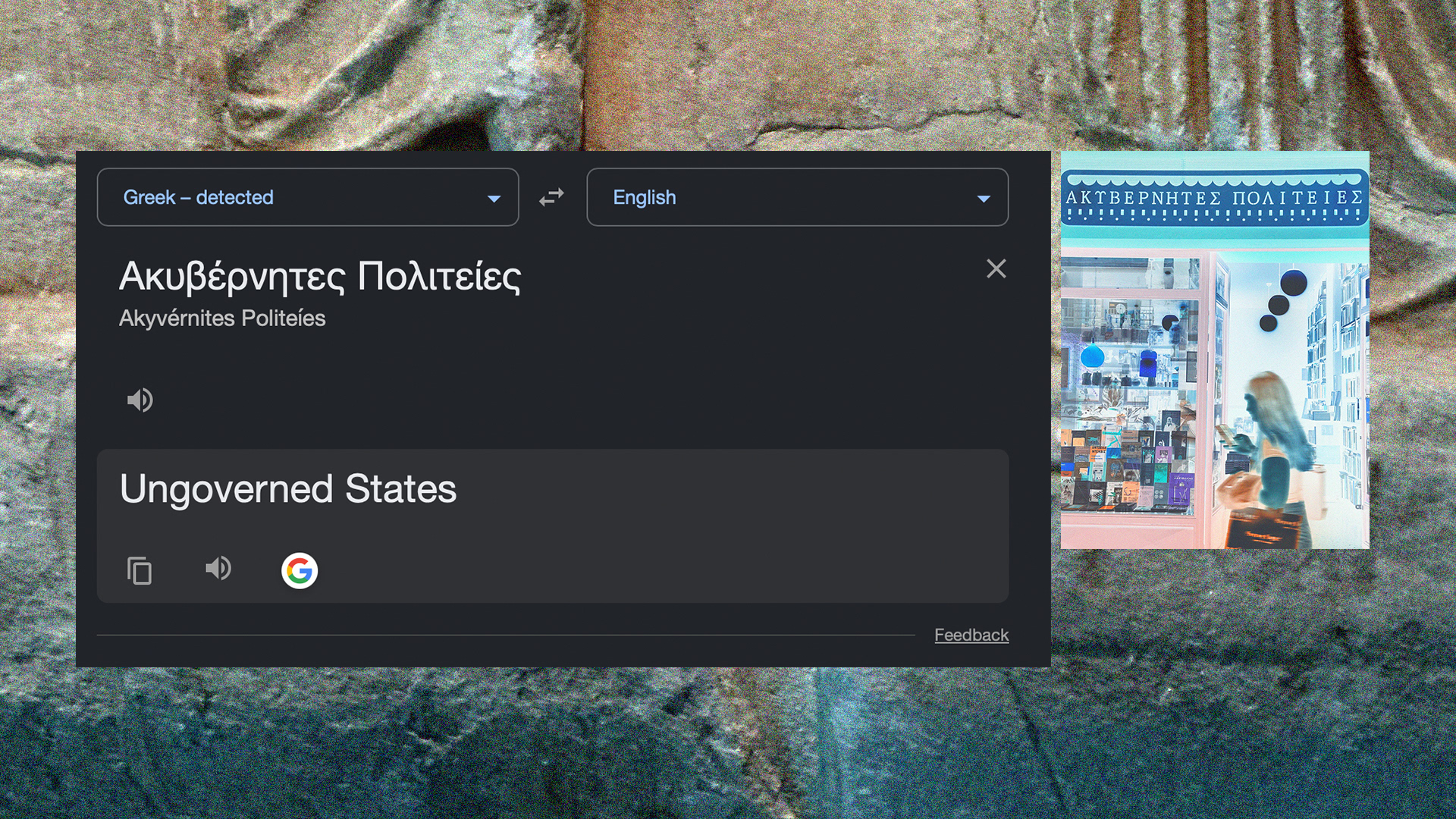
Chanced upon this bookstore-cafe in Thessaloniki, that set the motion for the foundational rock of the project.
Situated within the protest precinct of Exarcheia, this work meanders through webs of transaction and exchange, tracing the quiet intimacies between bodies, botanicals, labour, protest, and commerce. Botanical witnesses appear throughout the work — flowers, transplanted species, organic matter — not merely as symbols of fragility, but as entities that have historically accompanied trade routes, colonial expansion, migration, and resistance. They become silent archivists to human negotiation and displacement.
Through a series of activations, deactivations, and reactivations, Uncontrolled States attempts both symbolically and materially to undo the fixity of the nation-state flag. Flags here are not approached as static emblems of allegiance, but as unstable surfaces vulnerable to decomposition, tenderness, touch, and reconfiguration. The gesture of undoing is not violent. It is soft, accumulative, and porous. A silent protest enacted through care rather than conquest.
In this way, the work (in three permutations) proposes uncontrollability not as chaos, but as relational excess — the persistent inability of borders, systems, and power structures to fully govern the movements of matter, affection, memory, or becoming.
Point of Departures
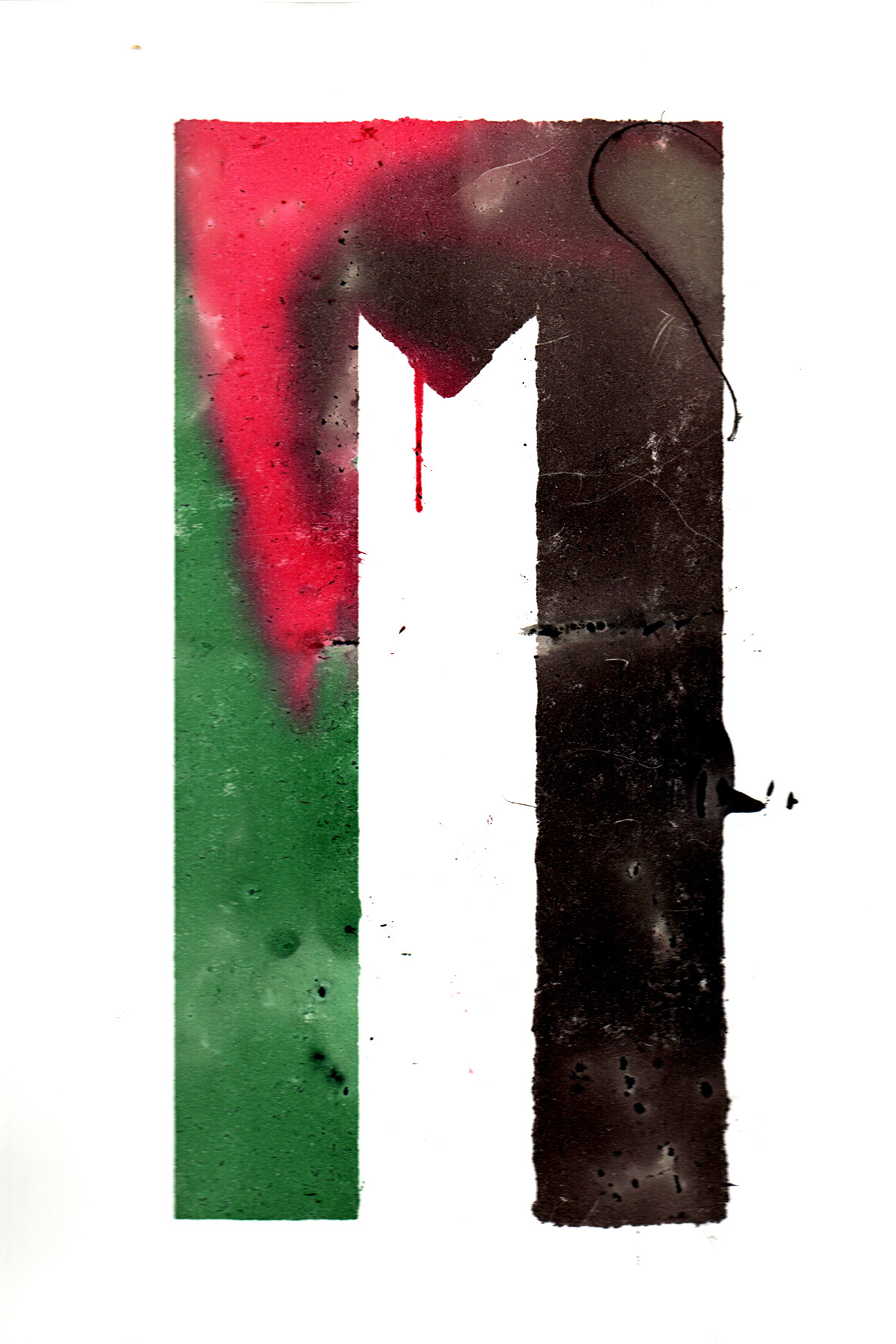
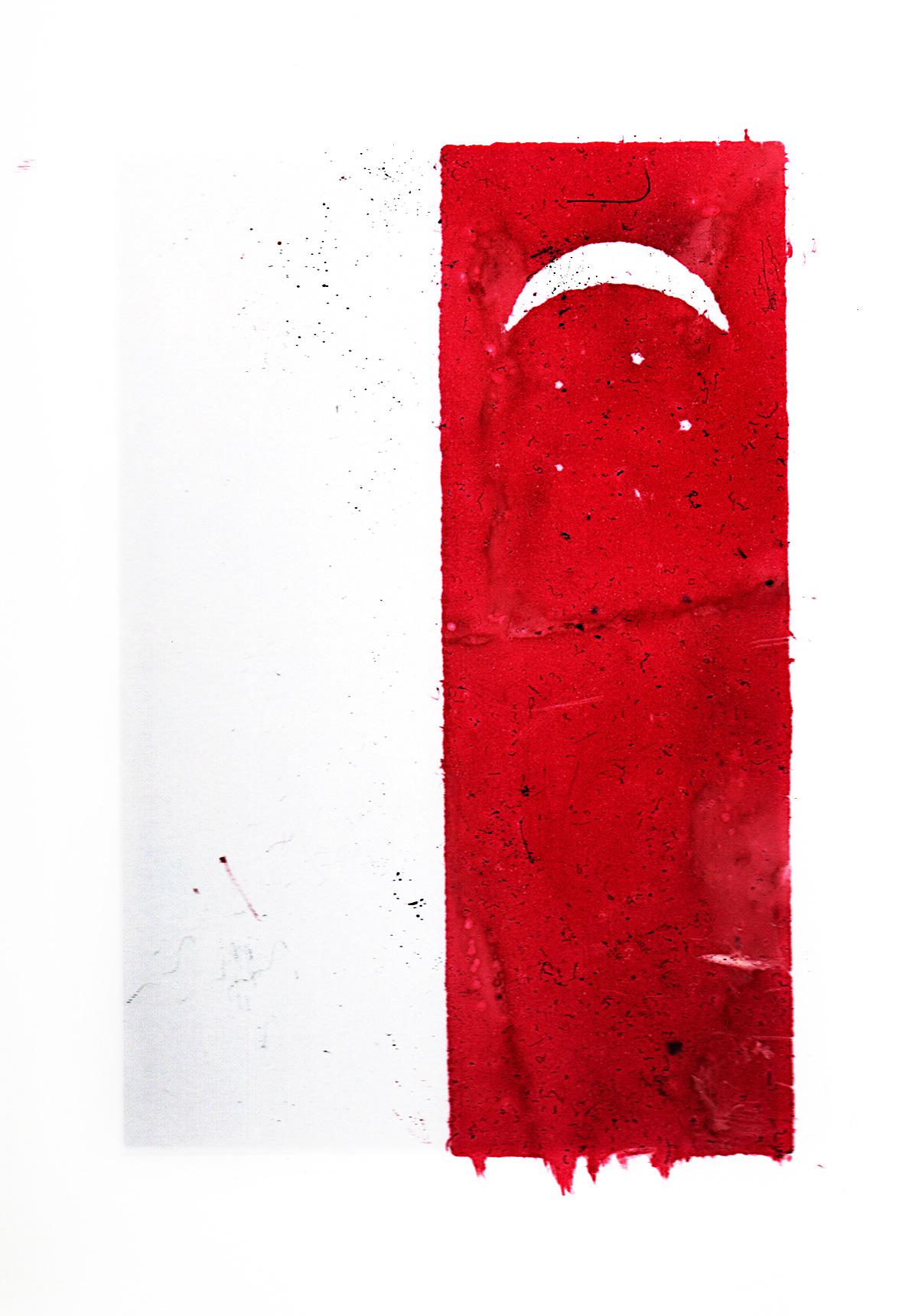
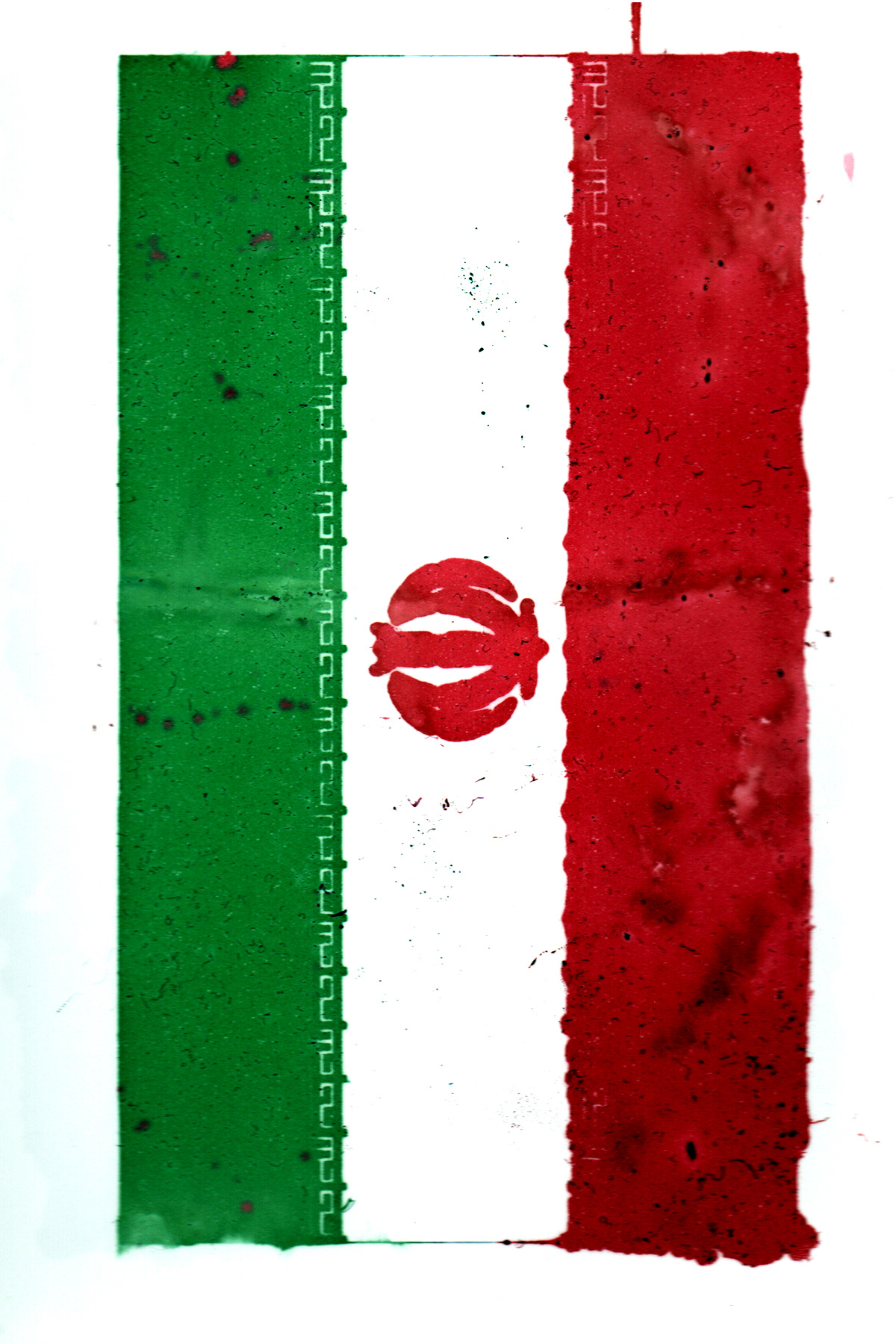
The impetus for Uncontrolled States emerged through the act of carrying materials across borders — textiles, botanical remnants, and a series of flag experiments transported from Singapore to Athens. Central to these works are the flags of Singapore, Palestine, and Iran — three emblems I remain intimately tied to through identity, memory, and familiarity. Within the work, these flags are destabilised through staining, fragmentation, and reassembly, transforming them from fixed nationalist symbols into vulnerable and porous surfaces.
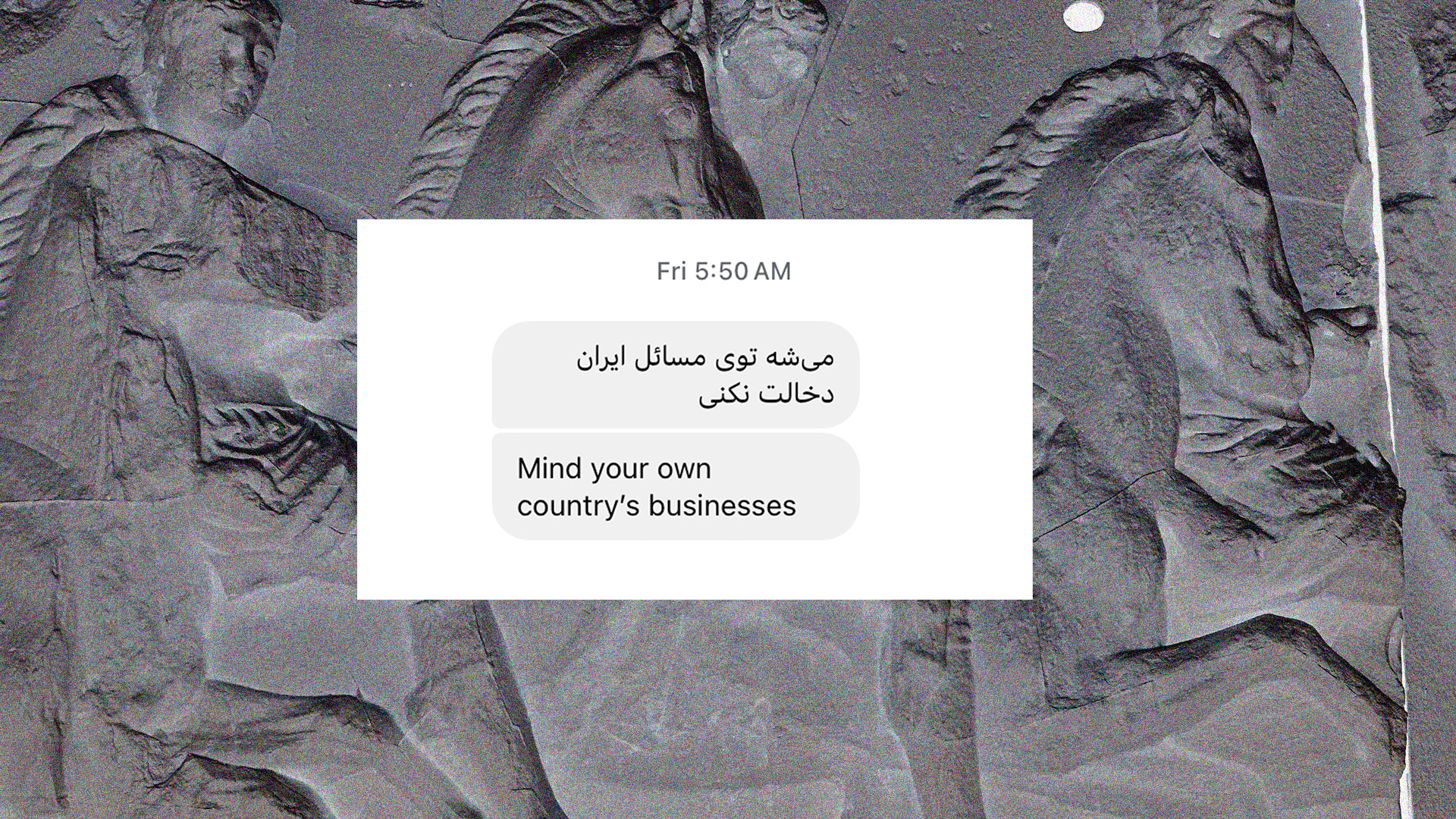
A second provocation emerged following a stranger’s insistence that I should “stay out of Iranian affairs” as I expressed prayer and grief over the destruction and intrusion upon Iran. That encounter became a critical fracture point within the project, raising the question: can an individual truly refrain from intruding into the affairs of another? Or are we already bound through emotional, spiritual, and political entanglements that exceed the logic of borders?
For someone drawn toward the placeless and borderless, the demand for detachment felt impossible. Uncontrolled Statestherefore asks whether empathy itself has become a form of trespass, and whether care now requires permission to cross a border.
Geographical Situ: Exarcheia (Εξάρχεια) as Site of Protest
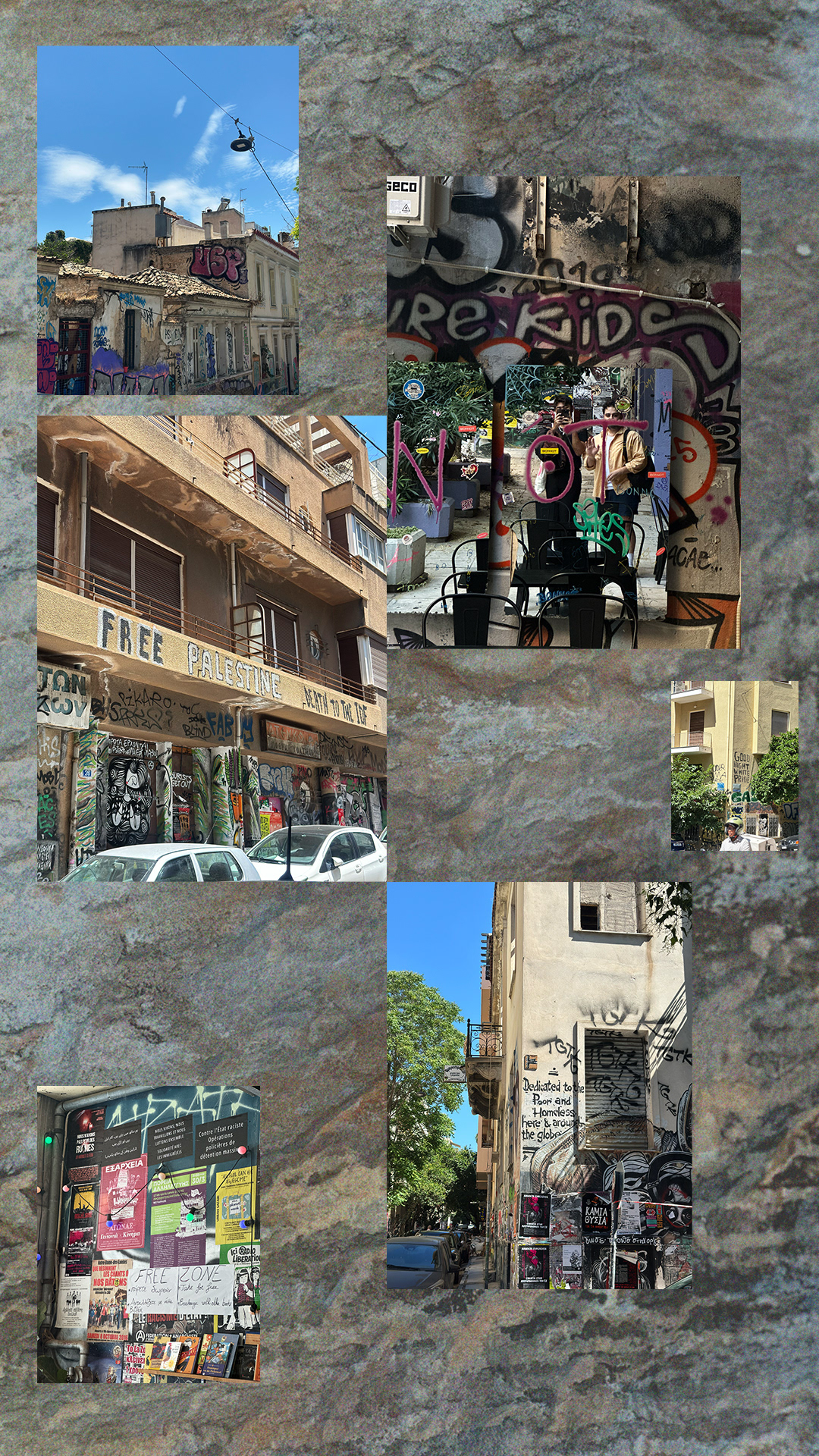
There is perhaps a strange inevitability (I was not aware of this fact whence submitting the proposal) that the Argo Arts residency is situated within Exarcheia —
a precinct long charged with anti-authoritarian resistance, police presence, and tensions surrounding protest and gentrification. Walking through the neighbourhood, one encounters an overwhelming density of graffiti, murals, and street inscriptions oscillating between grief, resistance, volatility, and refusal. The walls themselves feel like restless surfaces of dissent.
This atmosphere became a crucial thrust through which Uncontrolled States could take shape during the two-week residency. Through flânerie as a method of making, the work emerged through wandering, observing, and absorbing the emotional residue of the precinct. Exarcheia became less a backdrop than an active collaborator — a living terrain where protest, memory, and uncontrolled states of becoming continually collide.
CHAPTER 1: FLOWER POWER
THE FLAG OF SINGAPORE
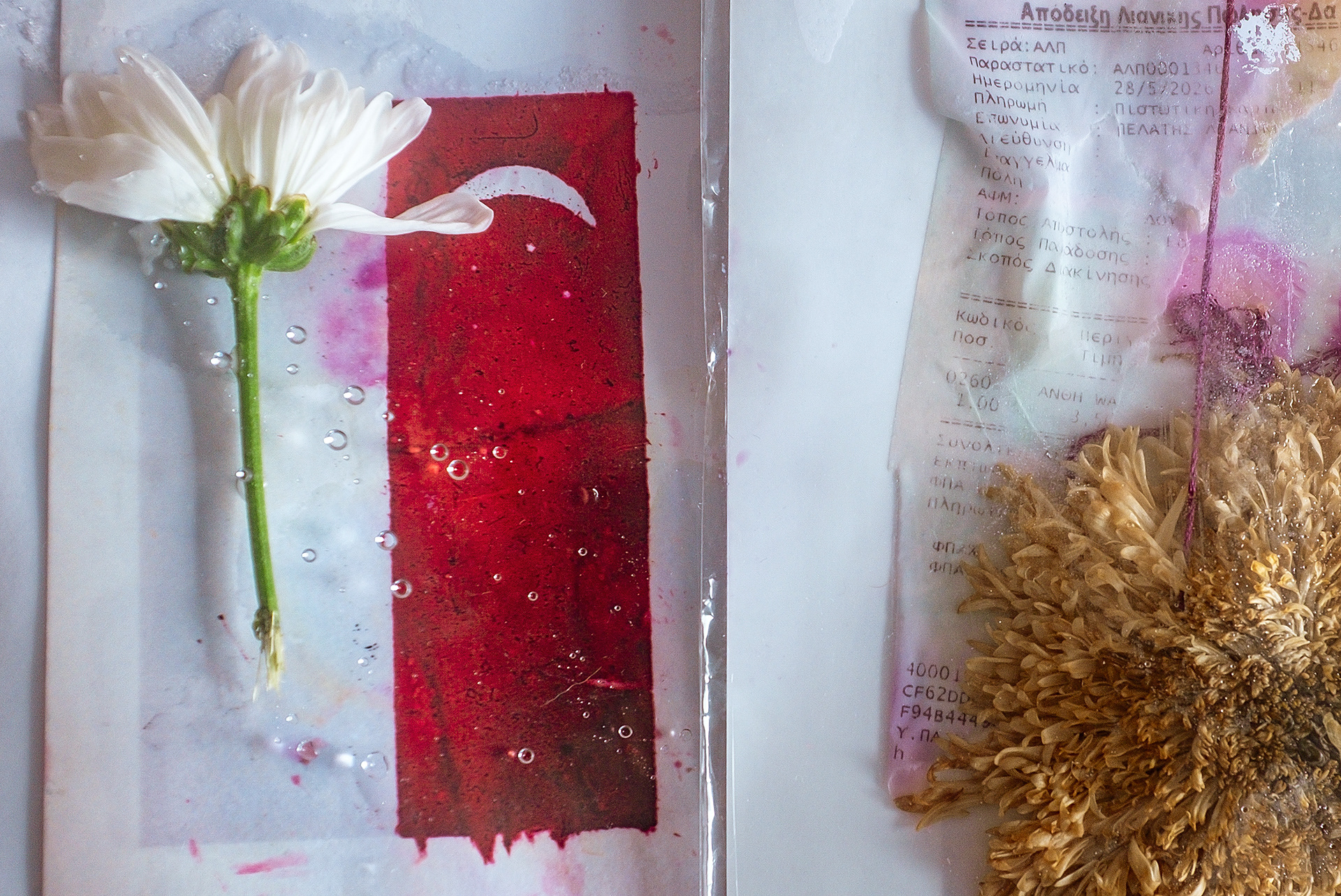
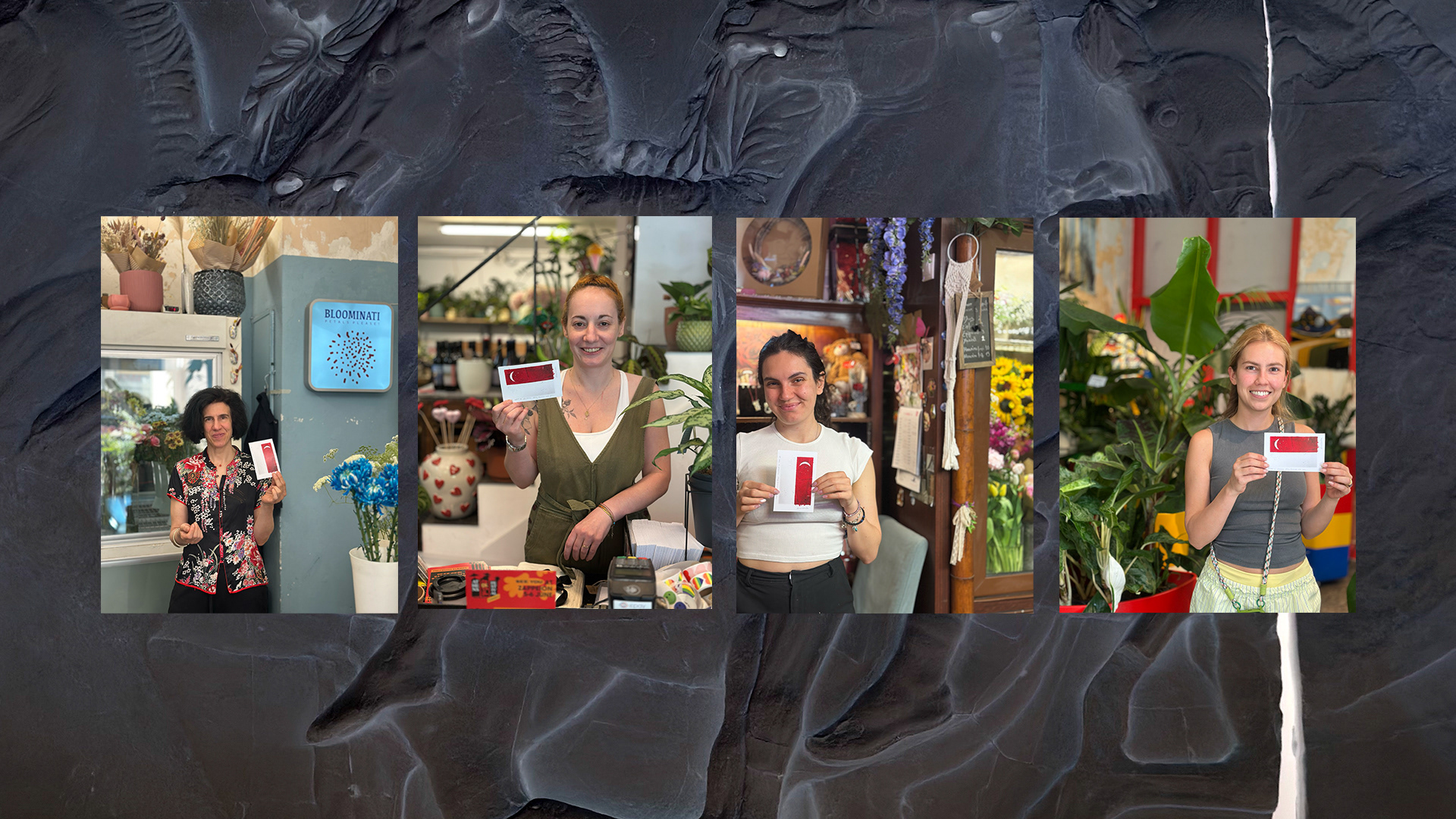
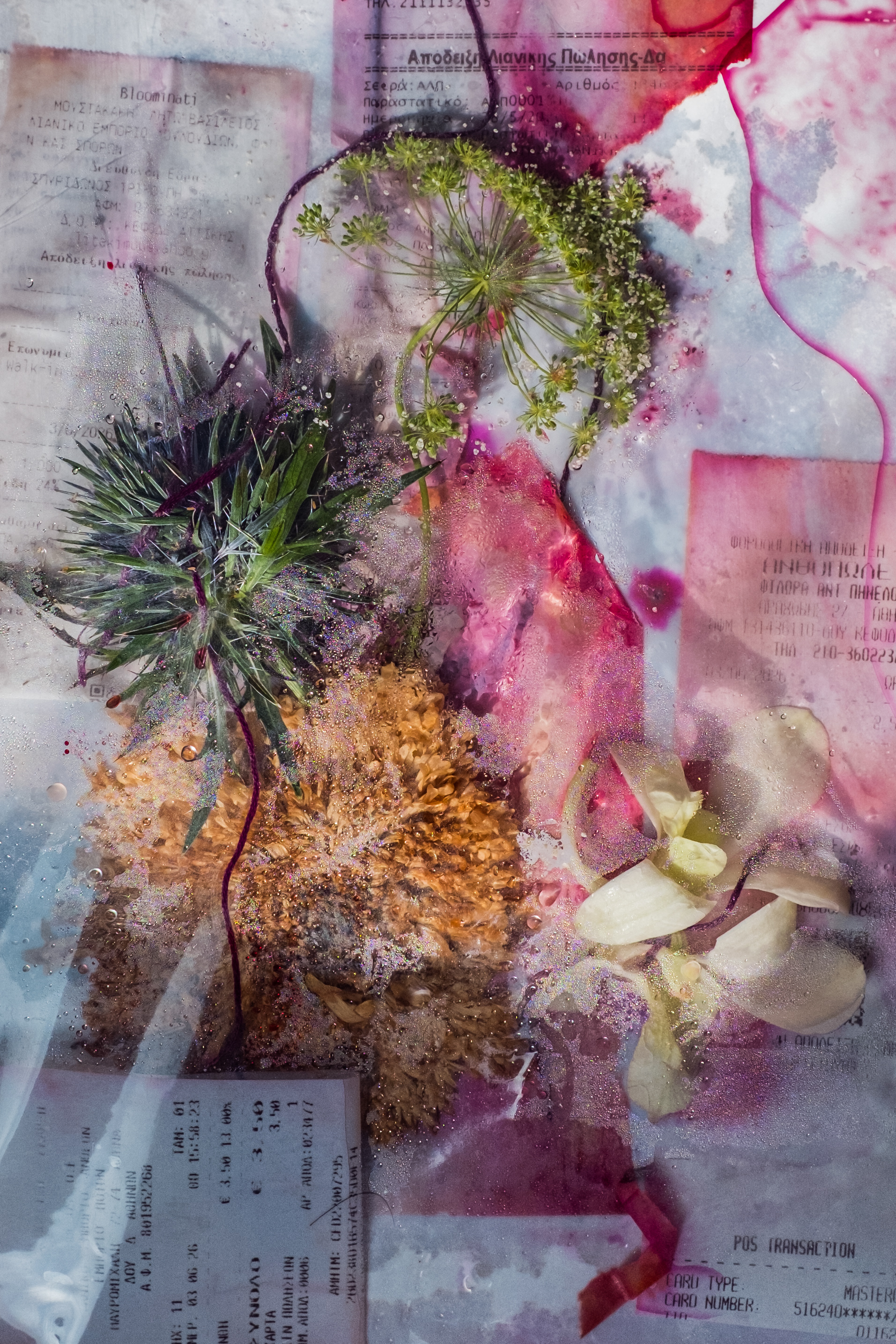
What unfolds here is a play on the notion of “business.”, or a protest of I may. I began constructing a loose cartography of florists within the neighbourhood, committing to small transactions as symbolic acts of meddling in the affairs of another country. Flowers were purchased as agents of uncontrollability — perhaps the most ironic form of the wild: cultivated, domesticated, and transacted.
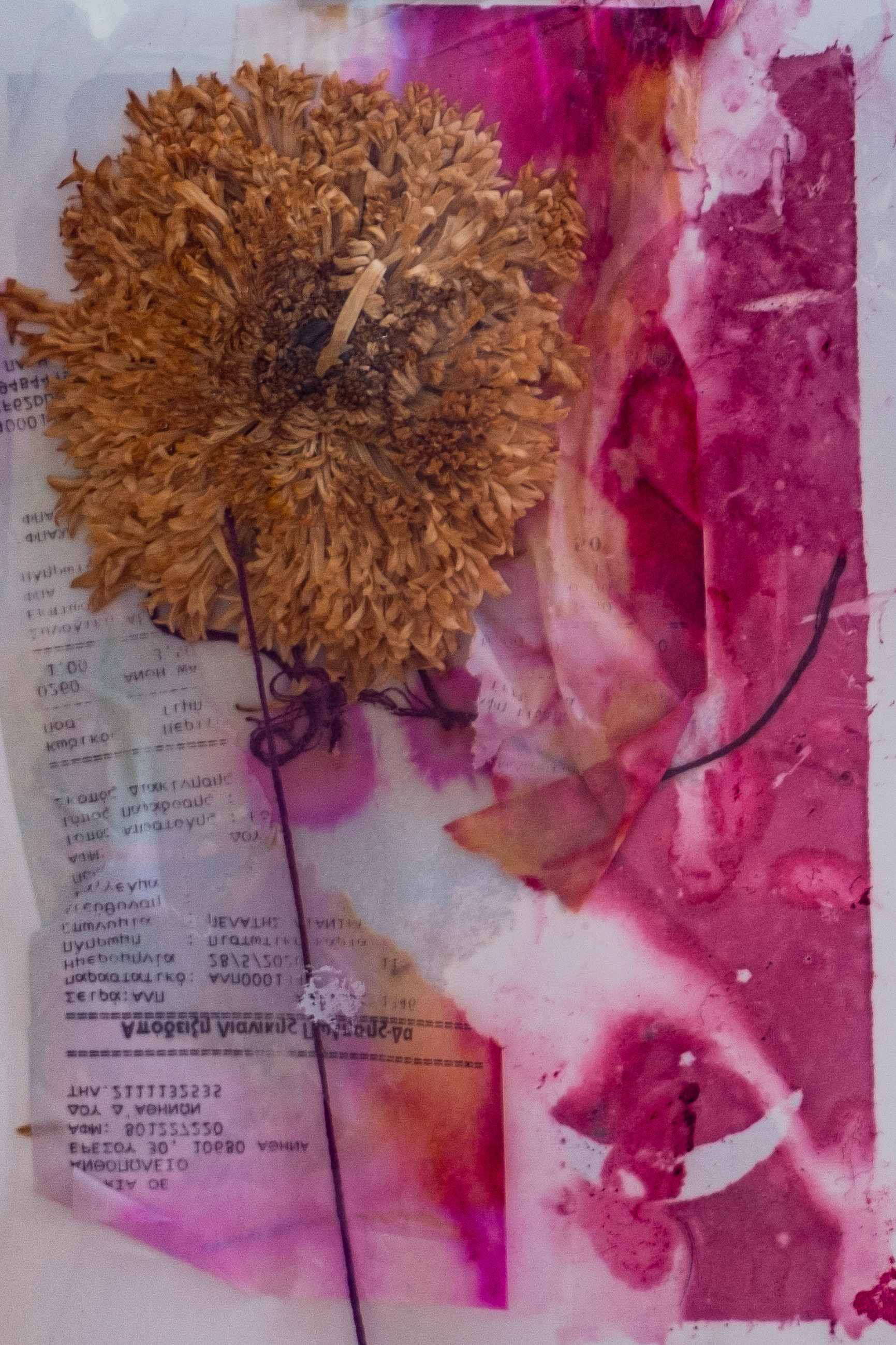
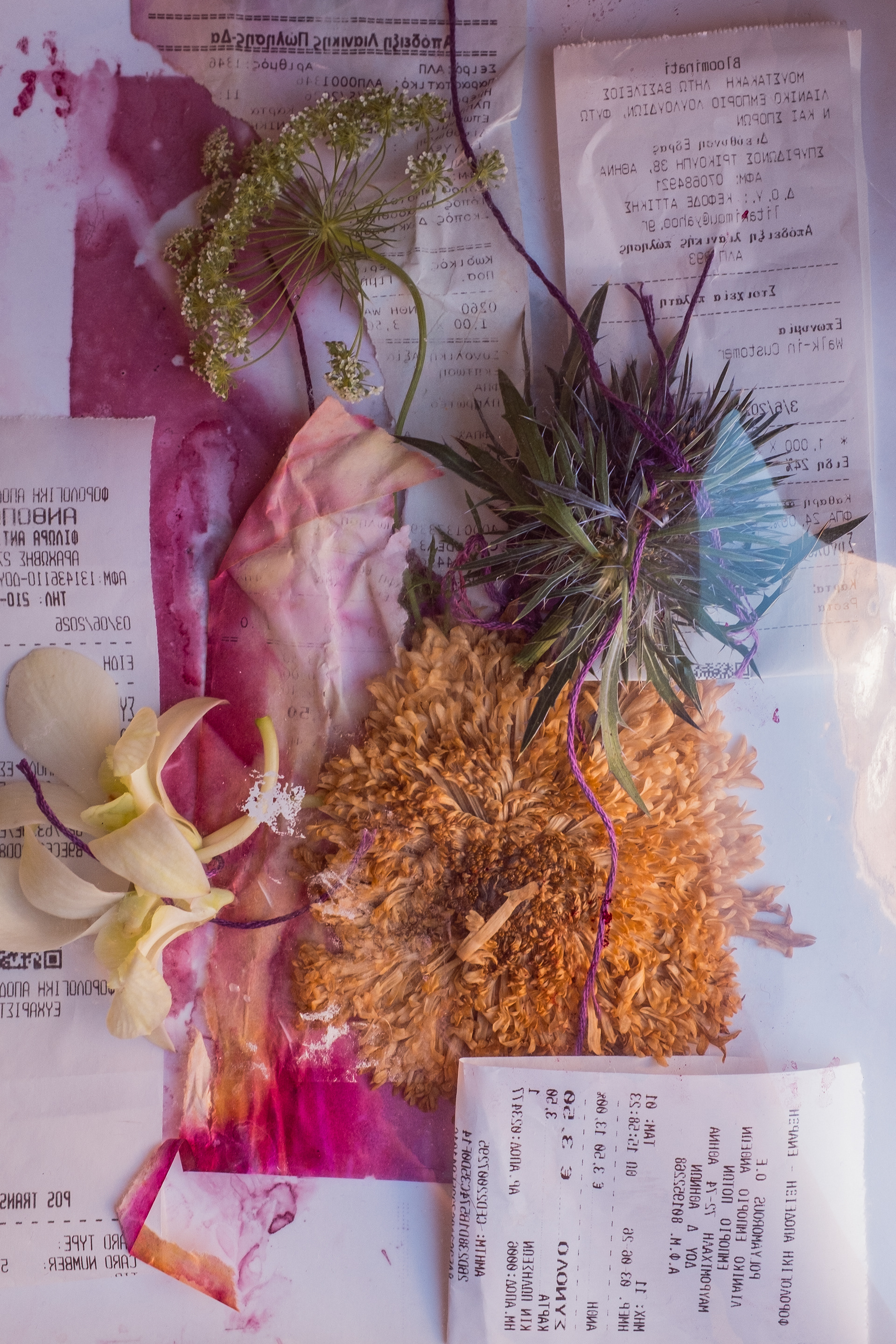
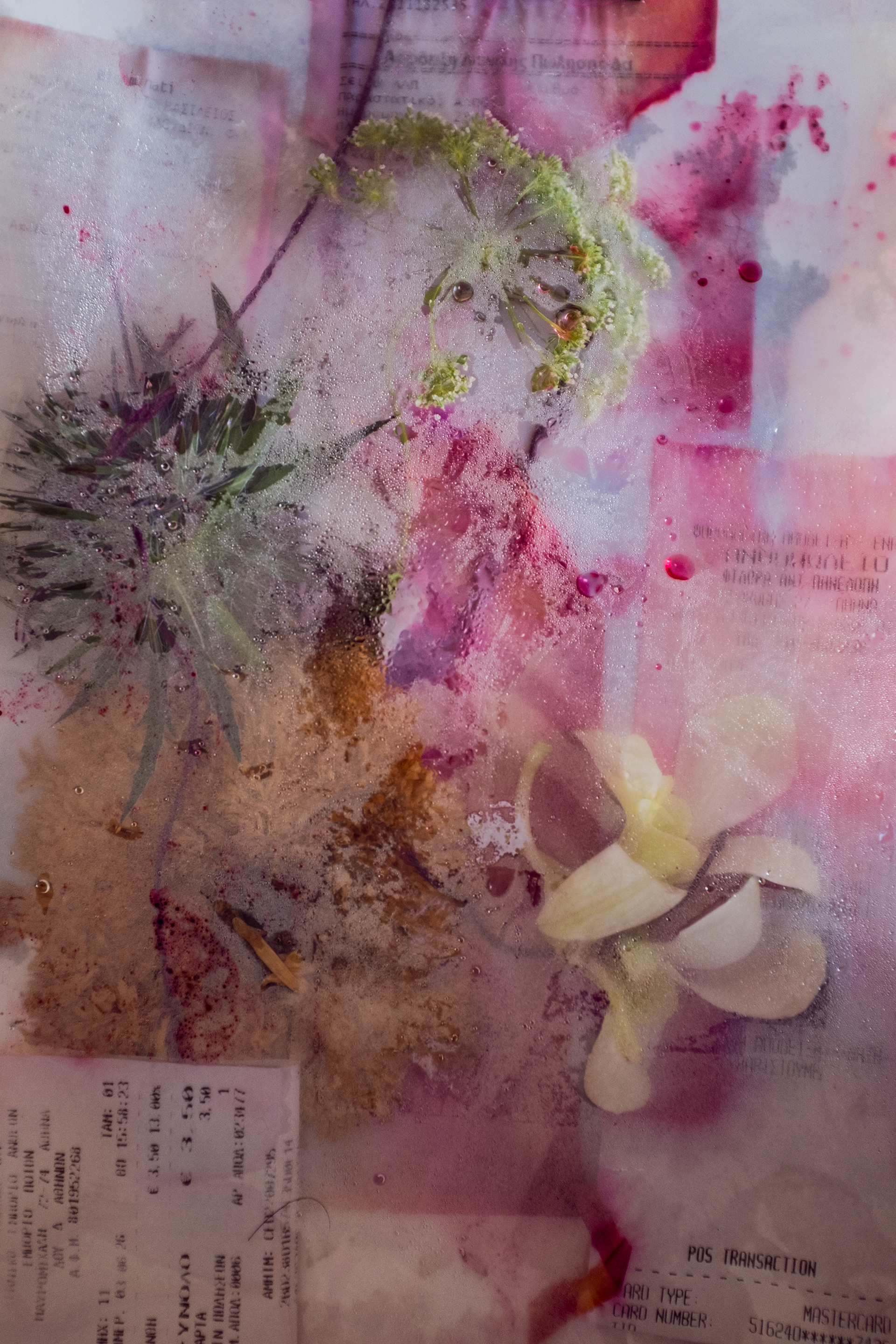
Embedded within this process is a relational exchange, even a participatory gesture, where nature is allowed to take its course in the gradual “undoing” of the image. Flowers were specifically chosen for the potency of their decay, where chemical excretions and moisture become catalysts for dissolution and transformation. The inclusion of receipts from these floral transactions introduces another layer to the work — a subtle critique of the impossibility of remaining uninvolved in the economies, griefs, and affairs of others.
Lastly, the offering of a postcard bearing the Singapore “un-flag,” accompanied by the handwritten marginalia, “It was a pleasure doing business with you,” becomes part of this contract. A tongue-in-cheek gesture that quietly ruptures the premise of the stranger’s remark that began this inquiry.
I await to see how this organic “collage” straddles the line between die and dye. As the flowers decompose, pigment from the print of the Singapore flag, paper, moisture, and material enter into a slow dance of immateriality and transformation. Meaning itself begins to loosen and migrate. In this gradual undoing, the work gestures once more toward that uncontrollable state of becoming — where boundaries dissolve, forms bleed into one another, and new breaths of meaning emerge through decay, borderlessness, and change.
CHAPTER 2: THE PERSIAN SHIELD
THE FLAG OF IRAN
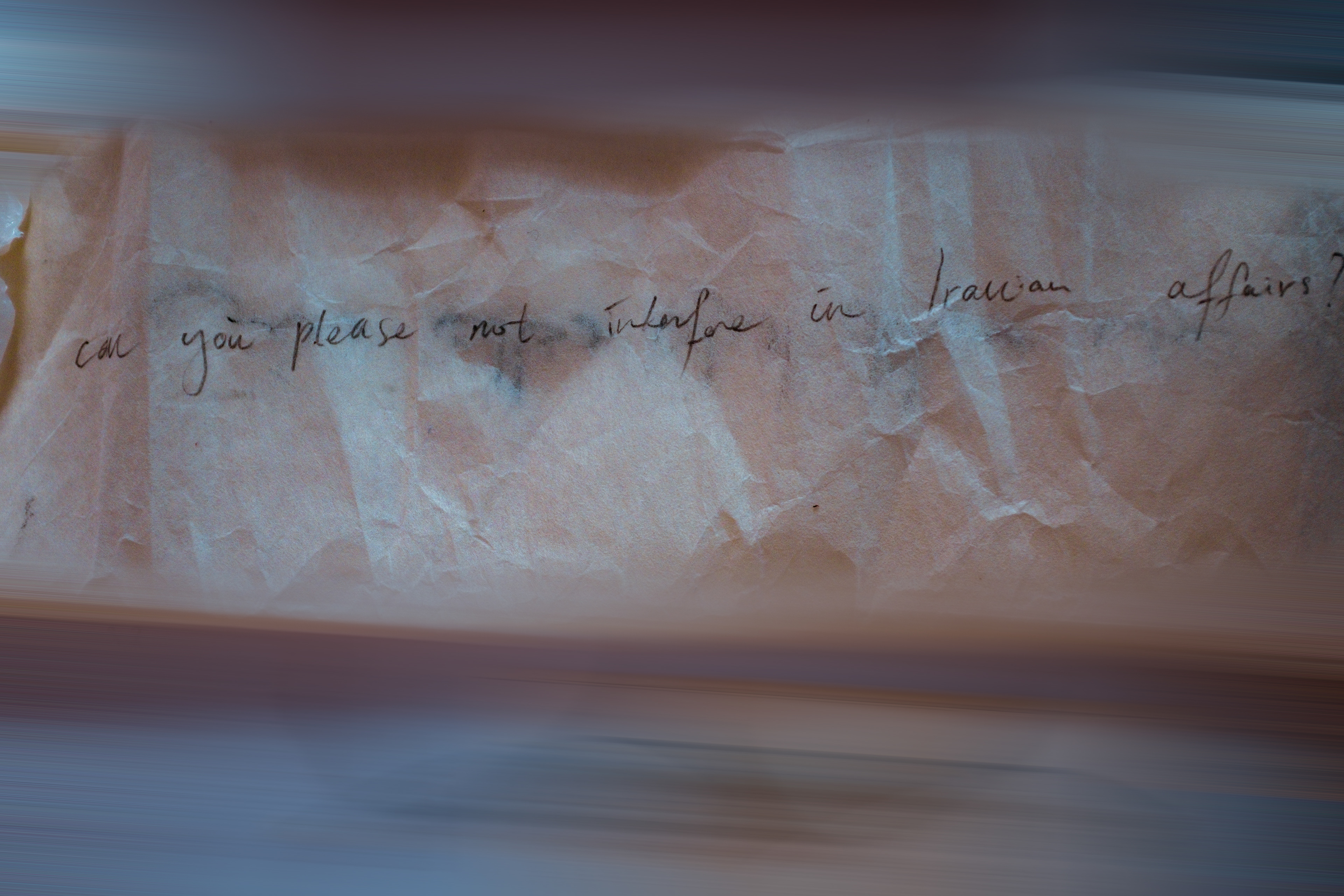
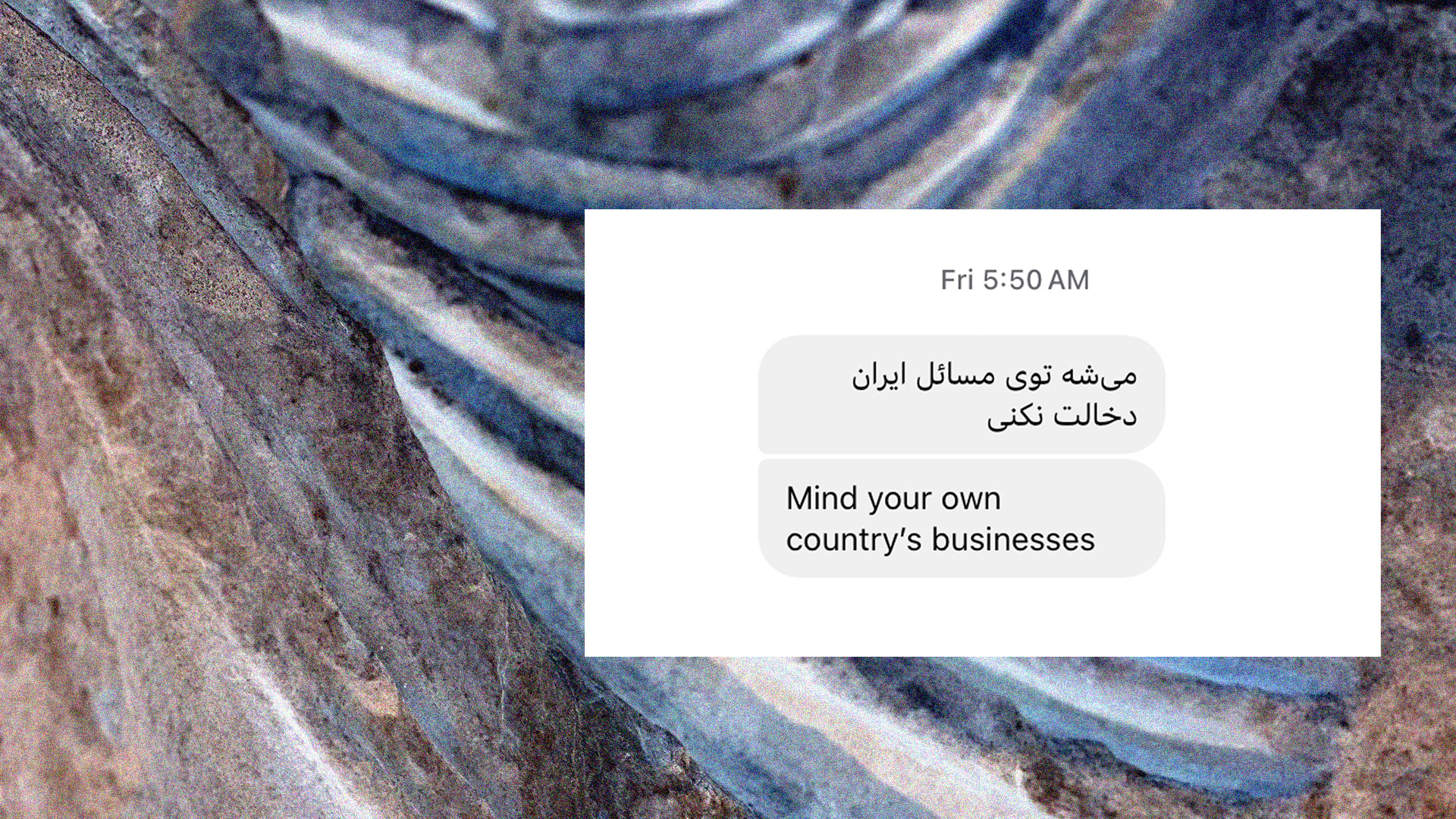
This chapter departs from a stranger’s note in Farsi that translated to, “Can you not interfere with the affairs of Iran?”During the height of the war, I also received messages from longtime friends who opposed what I shared publicly, with some severing ties with me across social media. That guardedness over internal affairs is understandable, yet it left me holding onto a quiet desire for the safety and preservation of a land and people I deeply love.
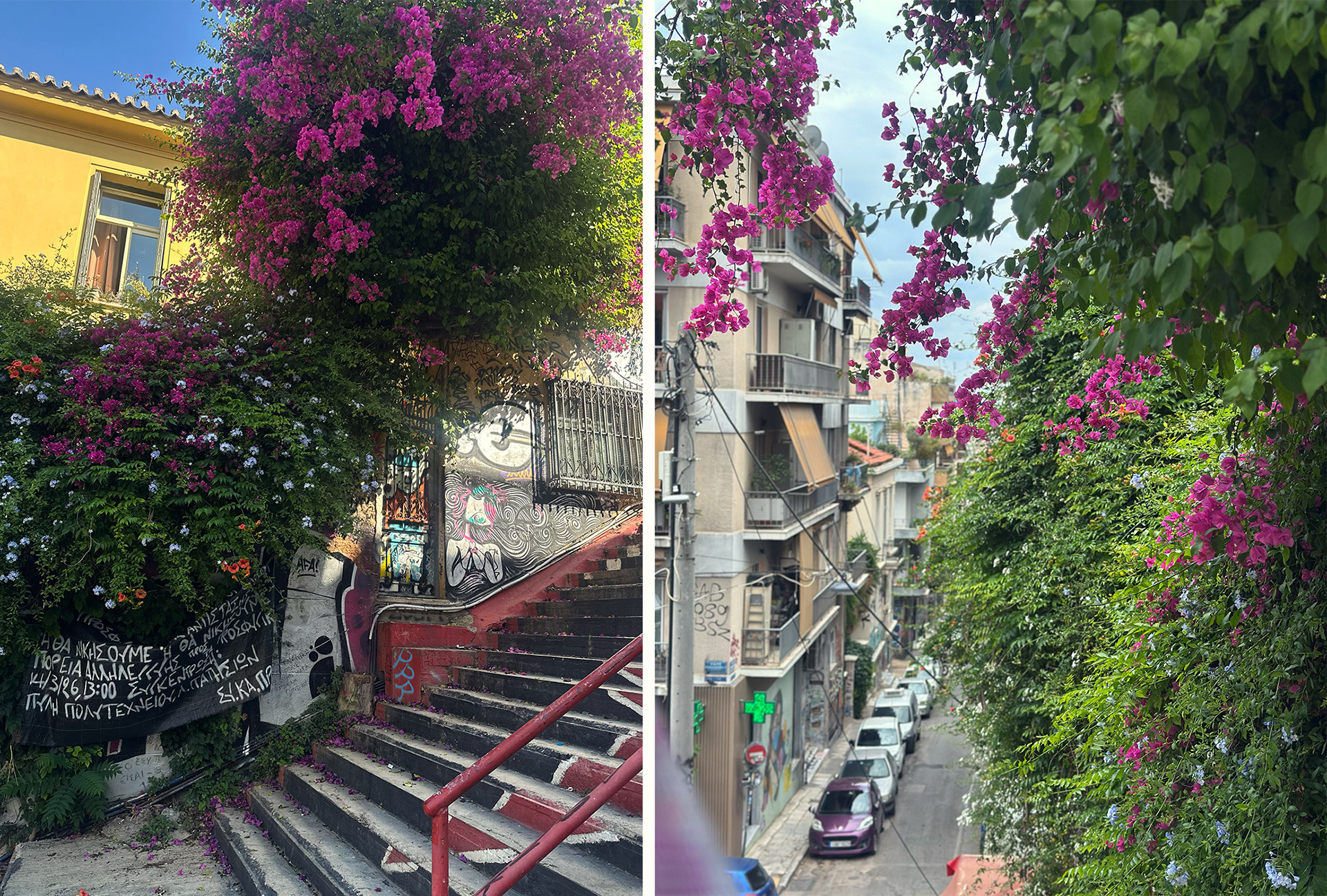
In response, I turned once again to nature. Summer in Athens arrives in abundance with blooms, especially bougainvillea, which appeared vividly throughout the city. These plants are themselves transmigrated species originating from South America, dispersed across regions through colonial movement. They are also deeply familiar to me — synonymous with Southeast Asia, and similarly present across the South of Iran during my recent travels there.
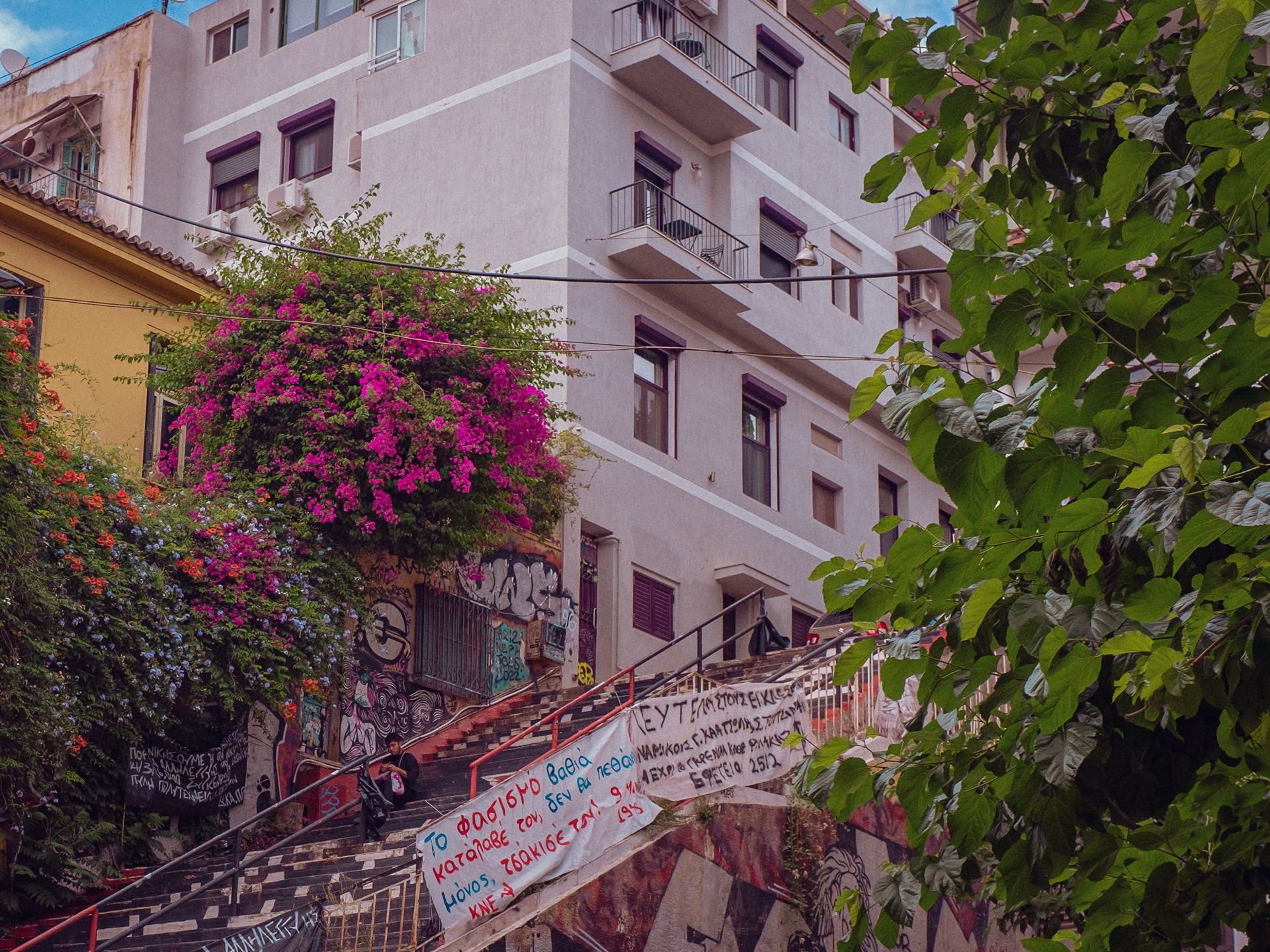
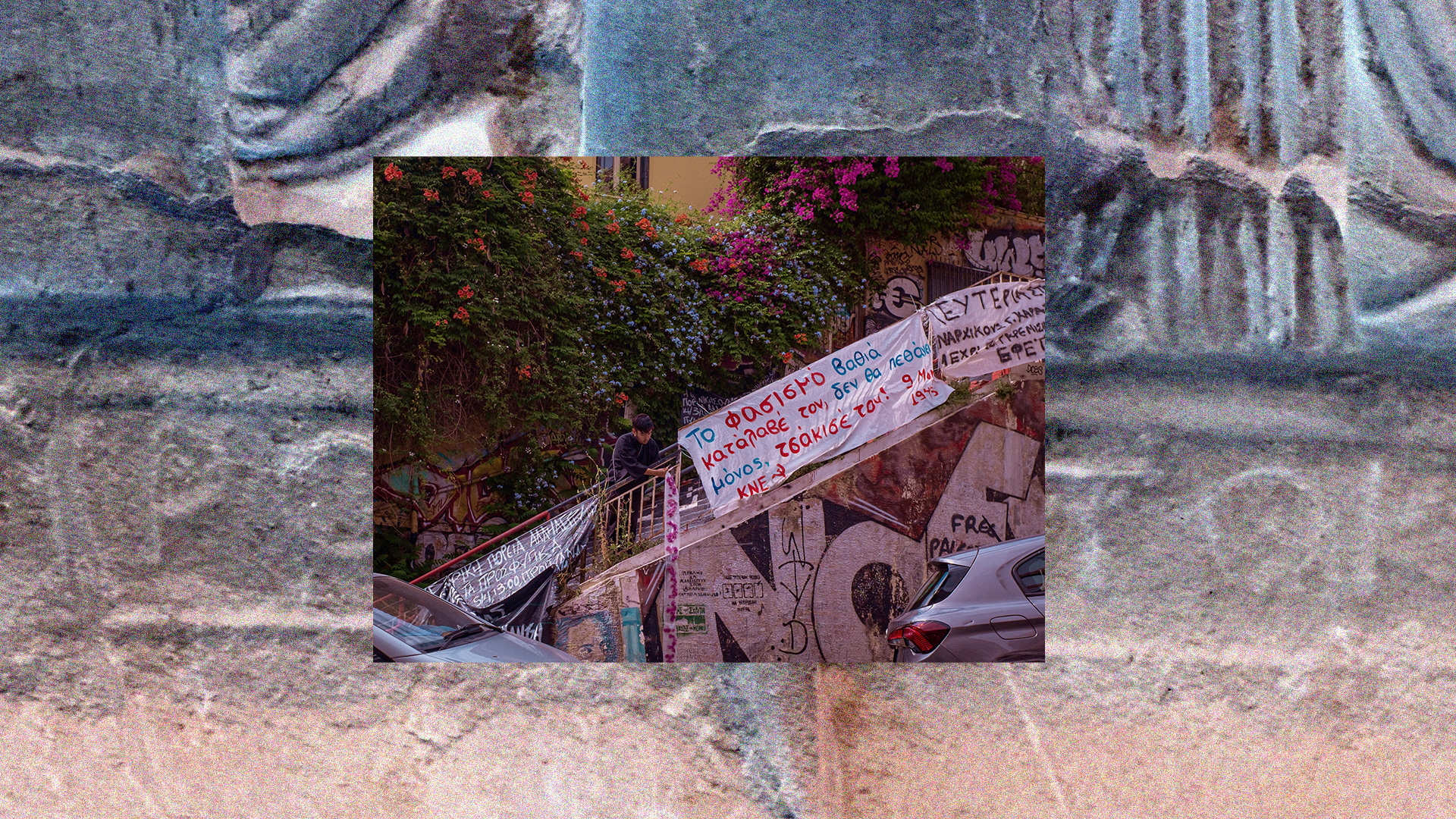
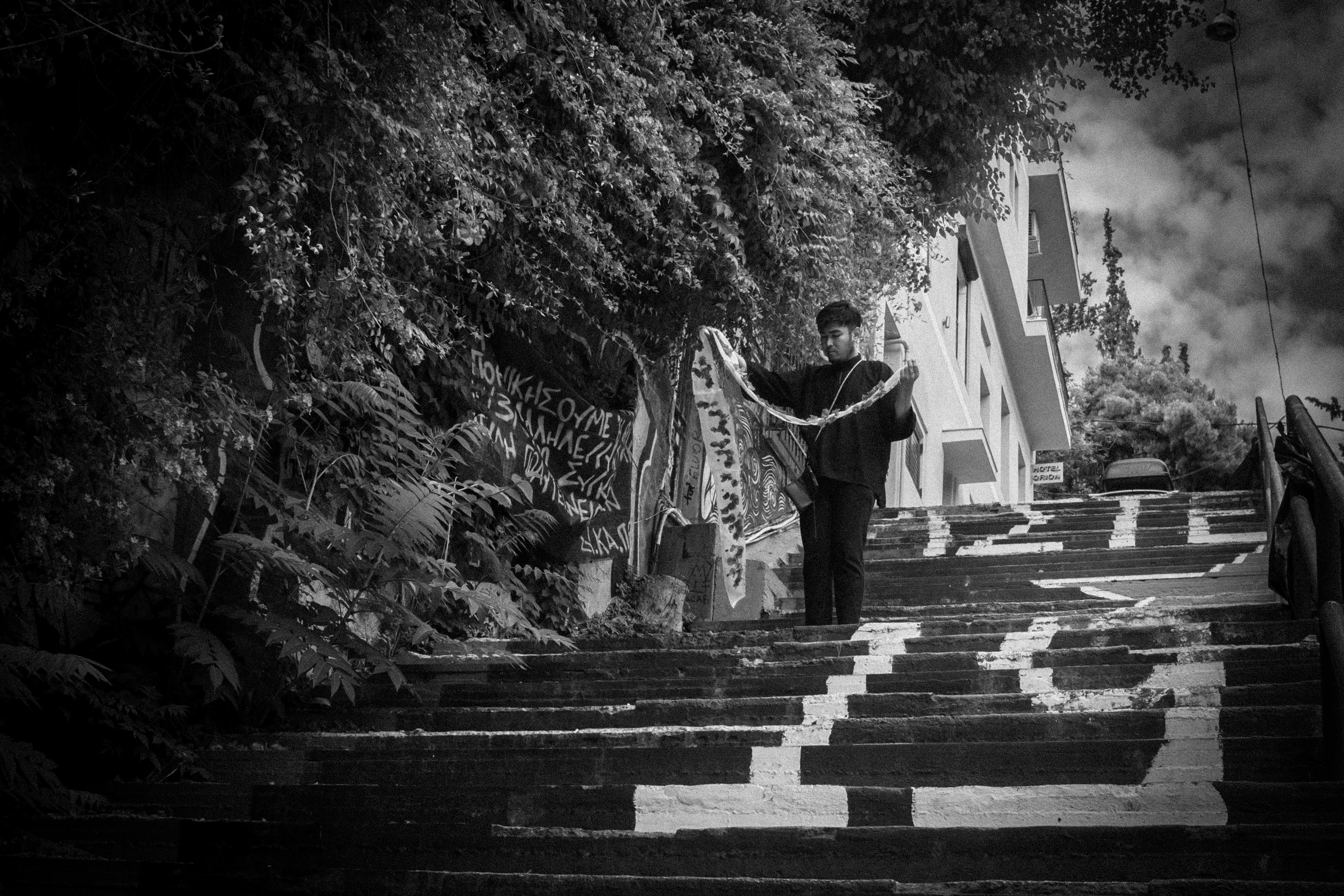
One particular bougainvillea tree bloomed strikingly along the staircase leading toward Strefi Hill. Along these steps, police patrols, outsiders, locals, and drifting bodies continually pass through. In this way, the trees became silent witnesses to surveillance, movement, and tension within the precinct. Yet ironically, these witnesses themselves remain in states of slow dying and decay.
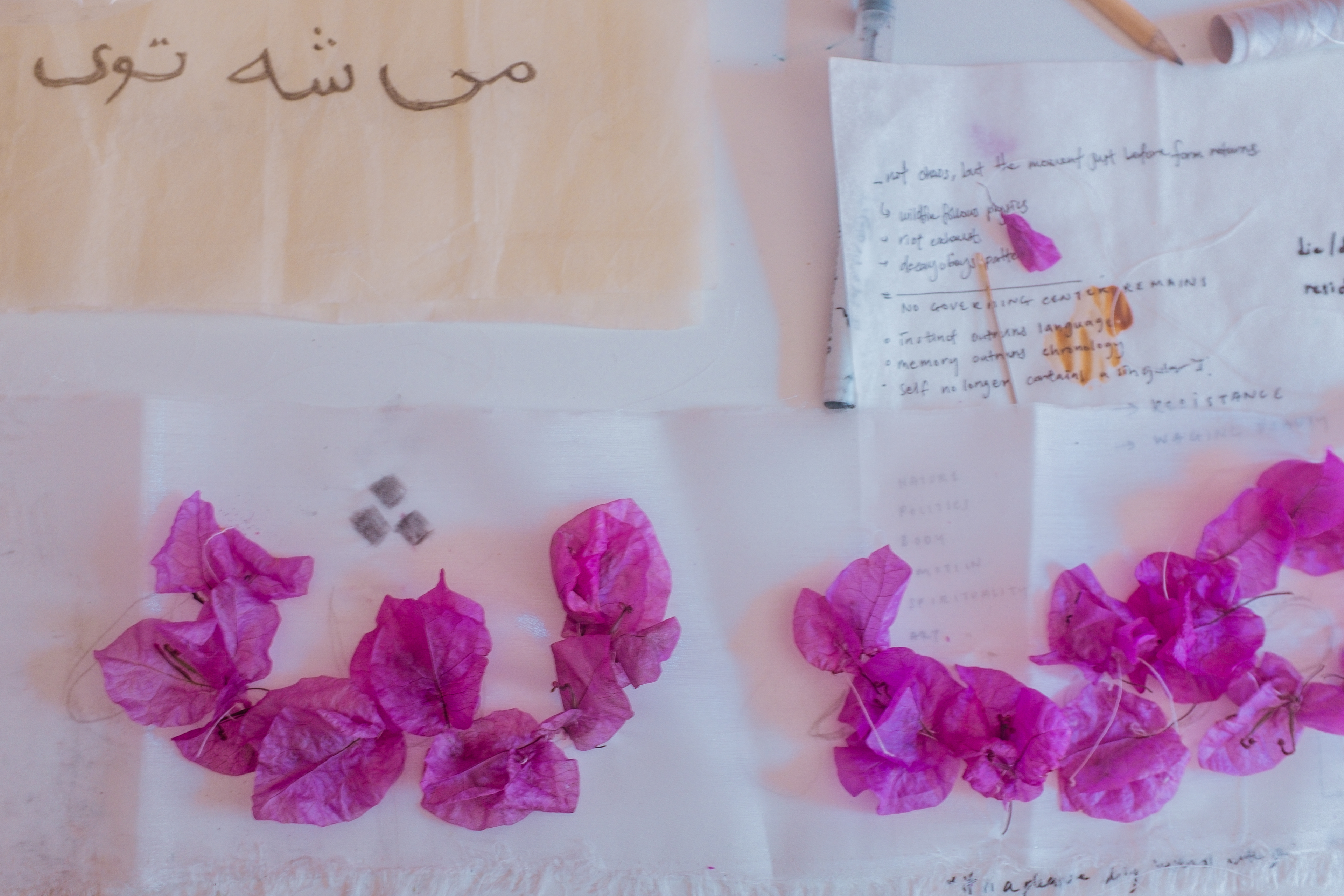
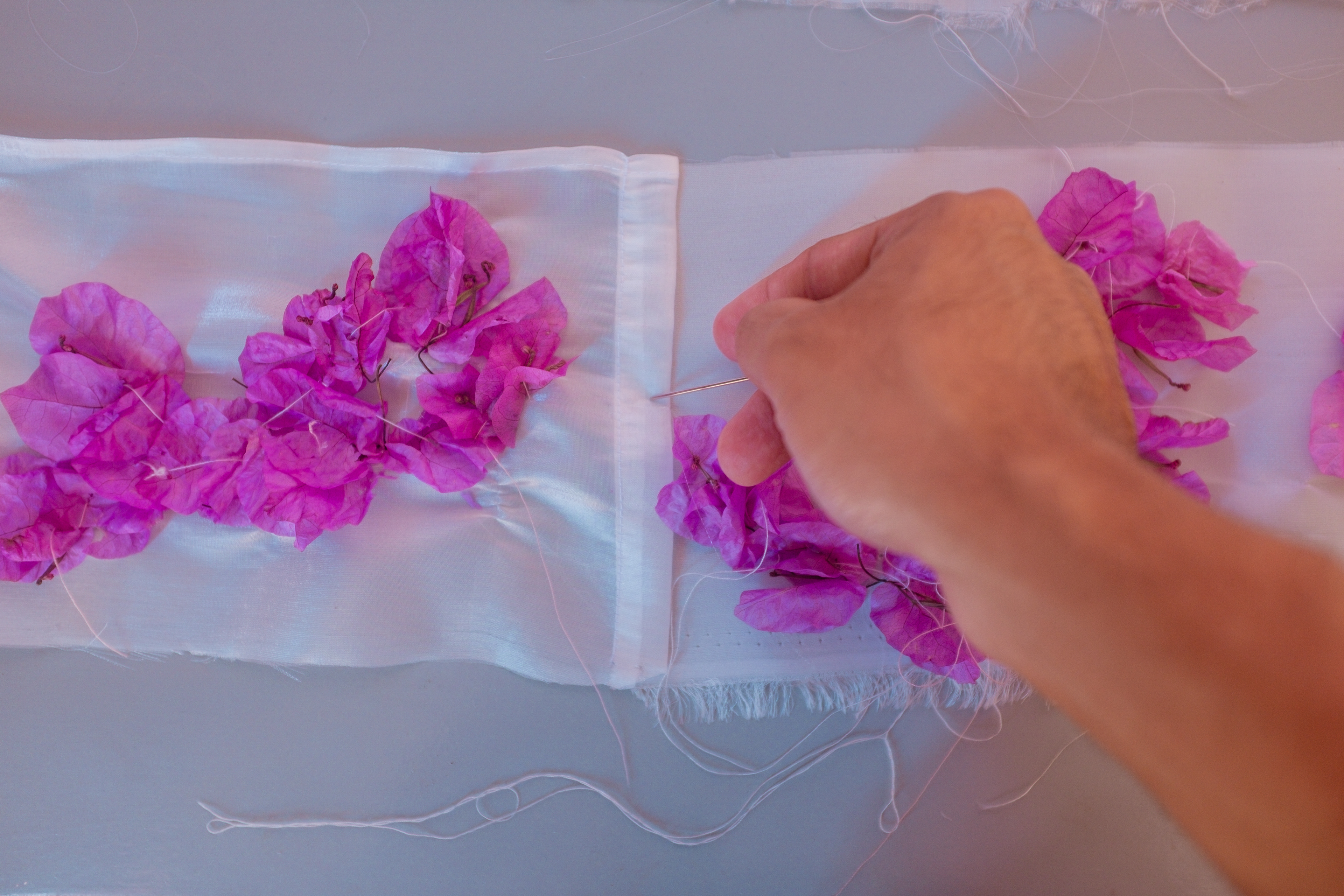
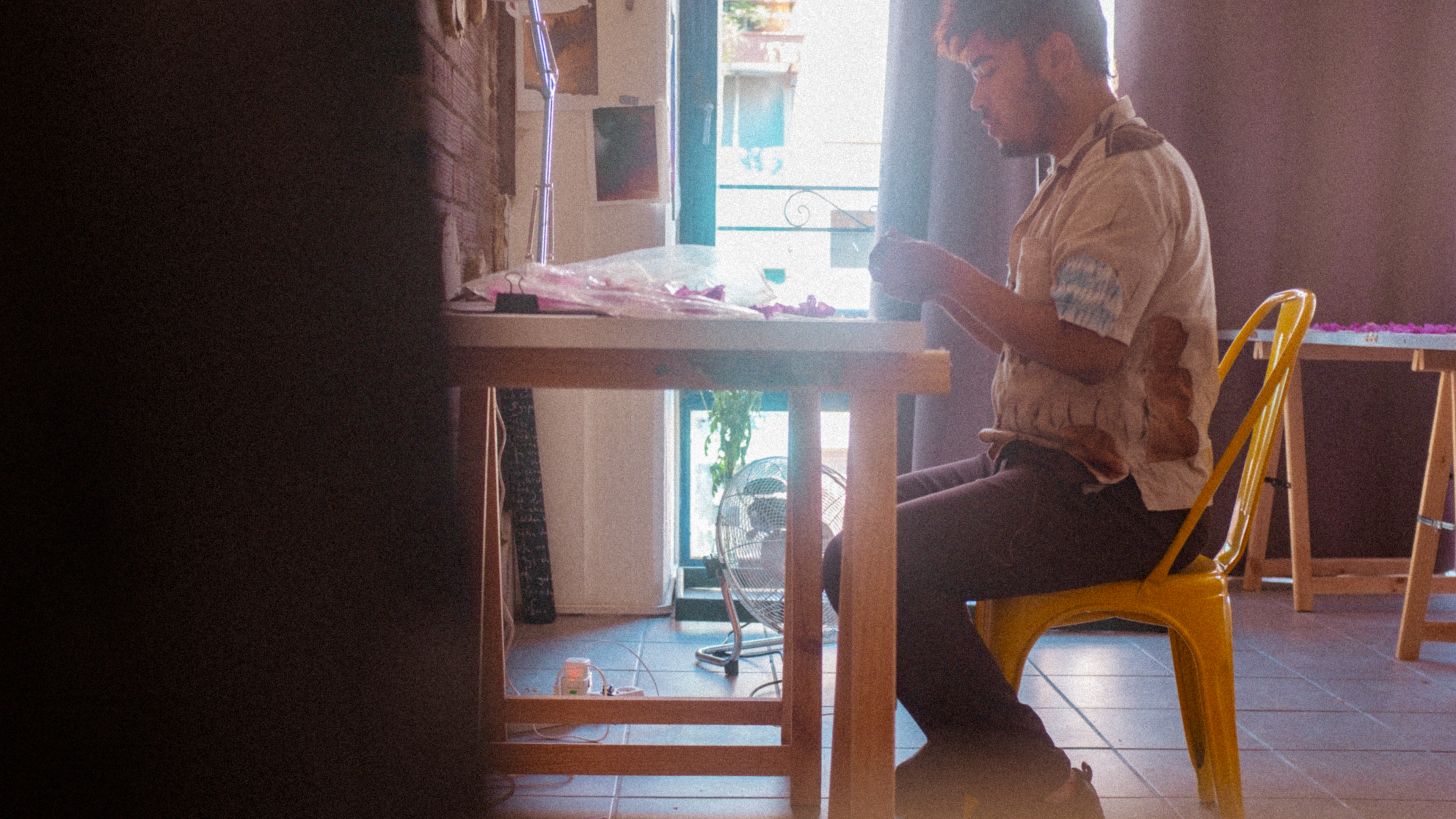
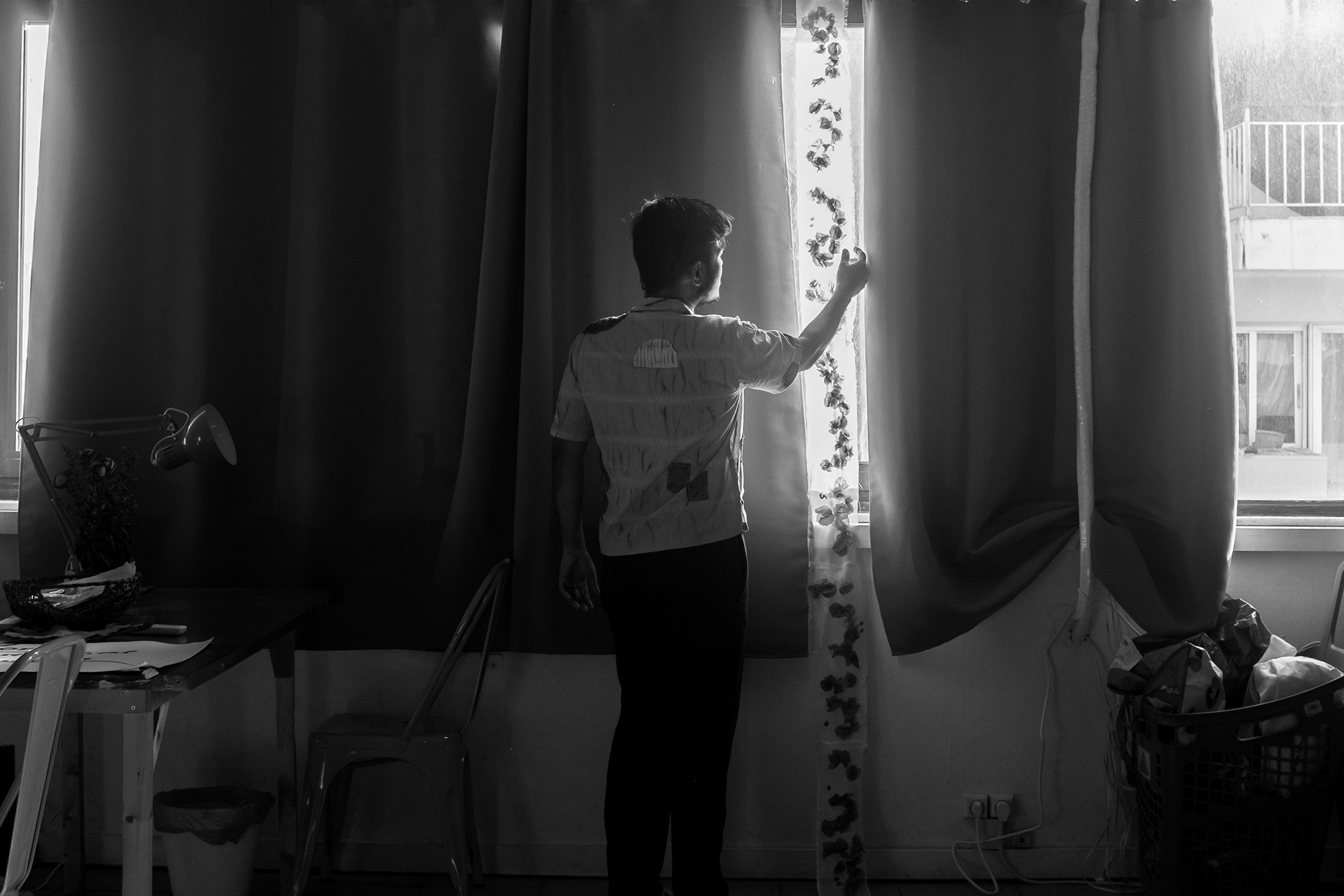
What I began doing was collecting the purple bougainvillea petals that shed onto the earth each day, gradually stitching them onto sheets of organza over the span of several days. I was drawn to the fabric’s translucency — its ability to catch and mangle with light — allowing the fragile matter of the petals to hover between visibility and disappearance.
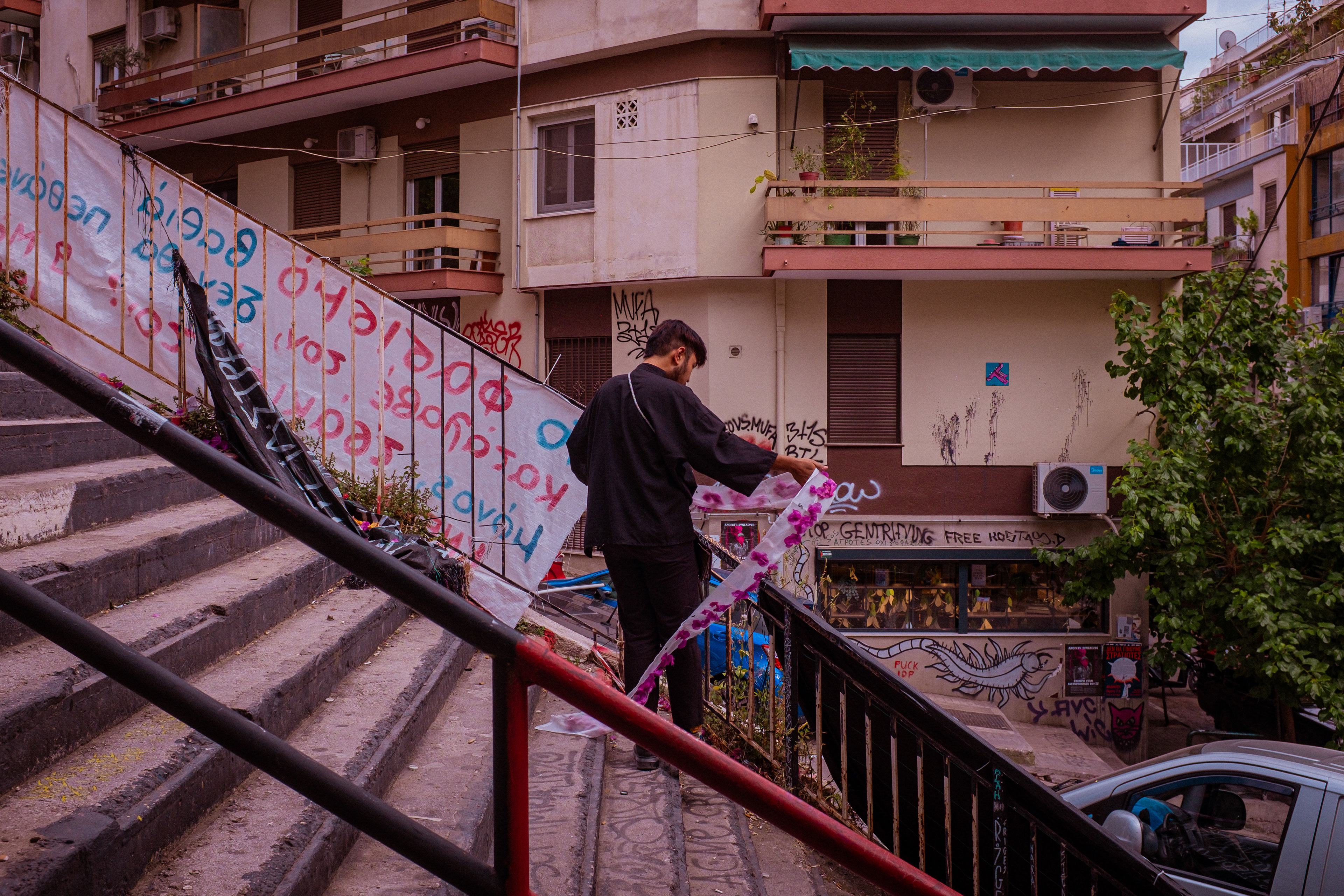
In their curled forms and drifting accents, the stitched petals began resembling gestures of that Farsi sentence: delicate, flowing, and quietly charged. What emerged was a kind of scroll or tender “flag” — soft in appearance, yet carrying an undertone of hostility if one attempts to decipher it too closely. These suspended forms became both offering and shield, left to slowly die upon the very site where protest, confrontation, and the possibility of “dying on that hill” continue to haunt the precinct.
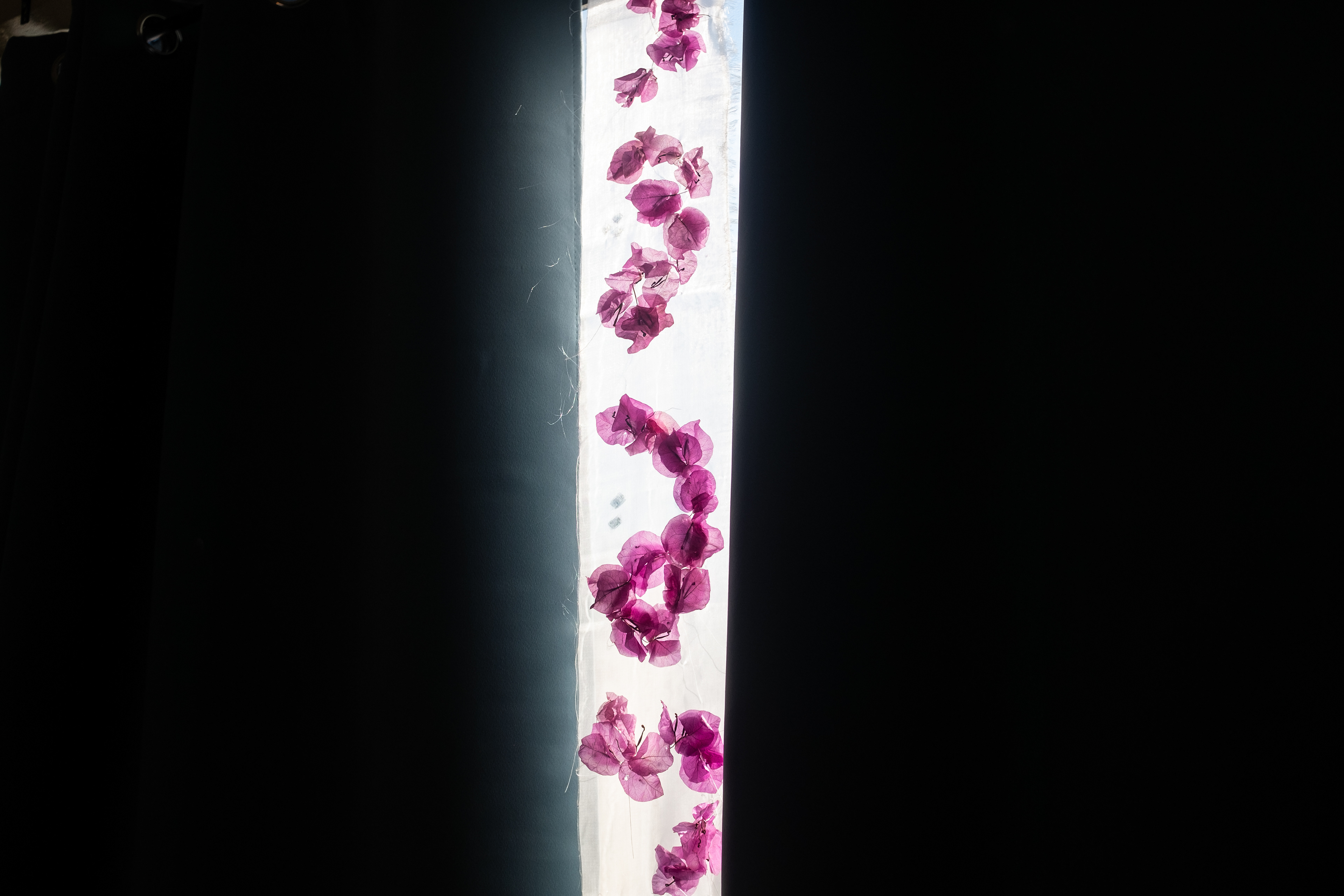
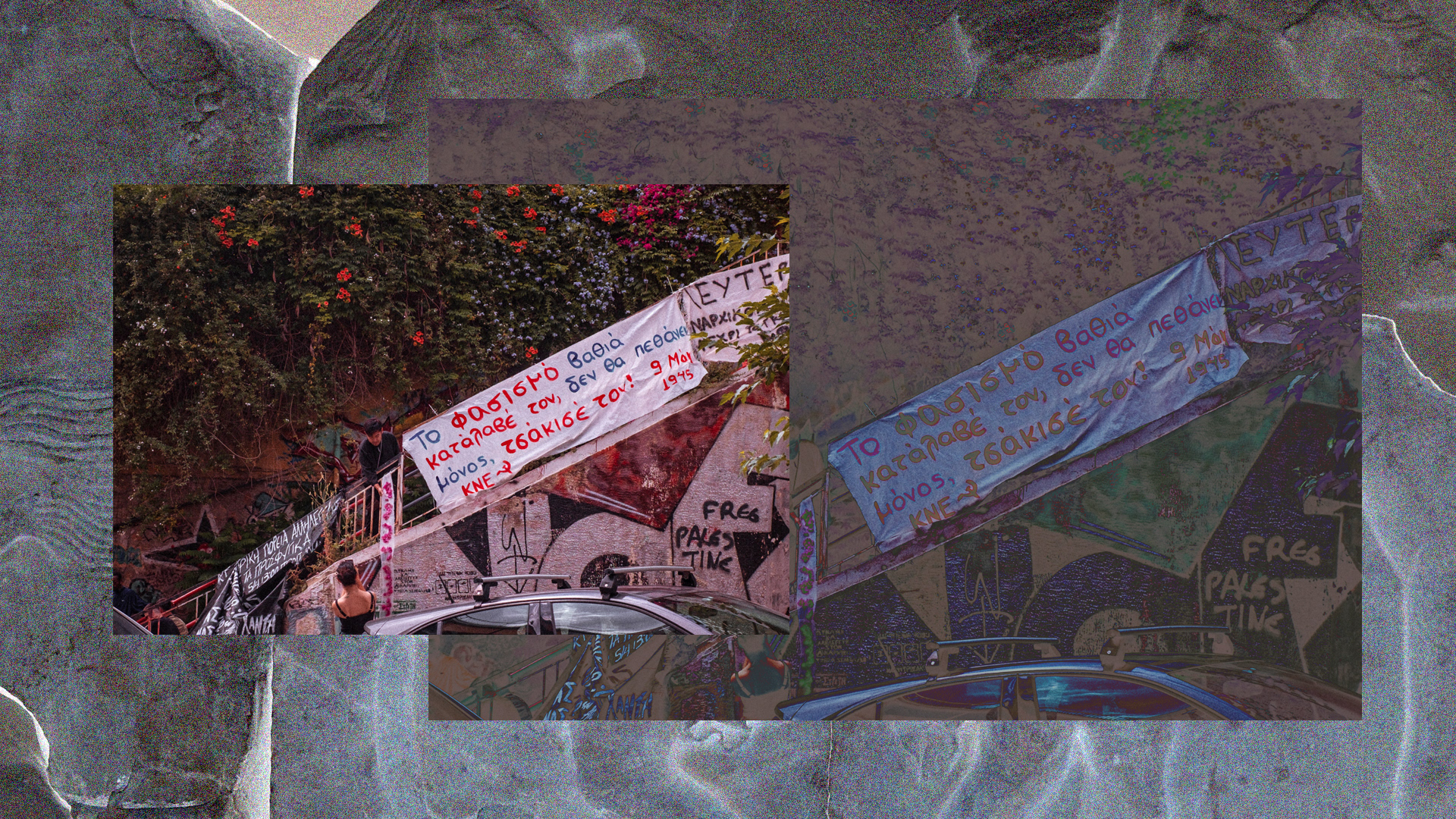
On a personally meaningful Friday, I chose to hang the work alongside existing anarchist banners and flags lining the railings of the precinct. I wanted it to function as an offering returned to its mother plant — birthed from that space, gathered from the ground, transformed elsewhere, and finally brought back again. A gesture of renewal, yet one that simultaneously witnesses its own slow decay.
There was something profoundly poetic in this cycle of extraction and return, in this quiet exchange between body, site, and matter. The act carried the weight of mourning, but also of becoming — a ritual suspended between tenderness and resistance.
In many ways, this gesture was itself an interference: a form of protest I had implicitly been warned against, particularly as an external body, a Singaporean body, moving through the political and emotional terrains of another place.
Photography Assisted by Andrew Onorato
CHAPTER 3: PERKS OF BEING A WARFLOWER
THE FLAG OF PALESTINE
This final permutation left me increasingly fixated on the transient nature of flags and public-facing emblems — almost akin to wallflowers when considered closely. As these visual blooms emerge, fade, and re-emerge across the city, they occupy a space between passive text and active call to action. I began thinking about how such visual culture slowly becomes an archetype for our moral positions and political leanings, shaping the ways we perform allegiance, grief, and solidarity in public space.
At the same time, flags continuously drift beyond their territories of origin, circulating across borders and attaching themselves to distant struggles. Their movement further dismantles the myth of human insularity and the illusion that empathy can remain geographically contained.
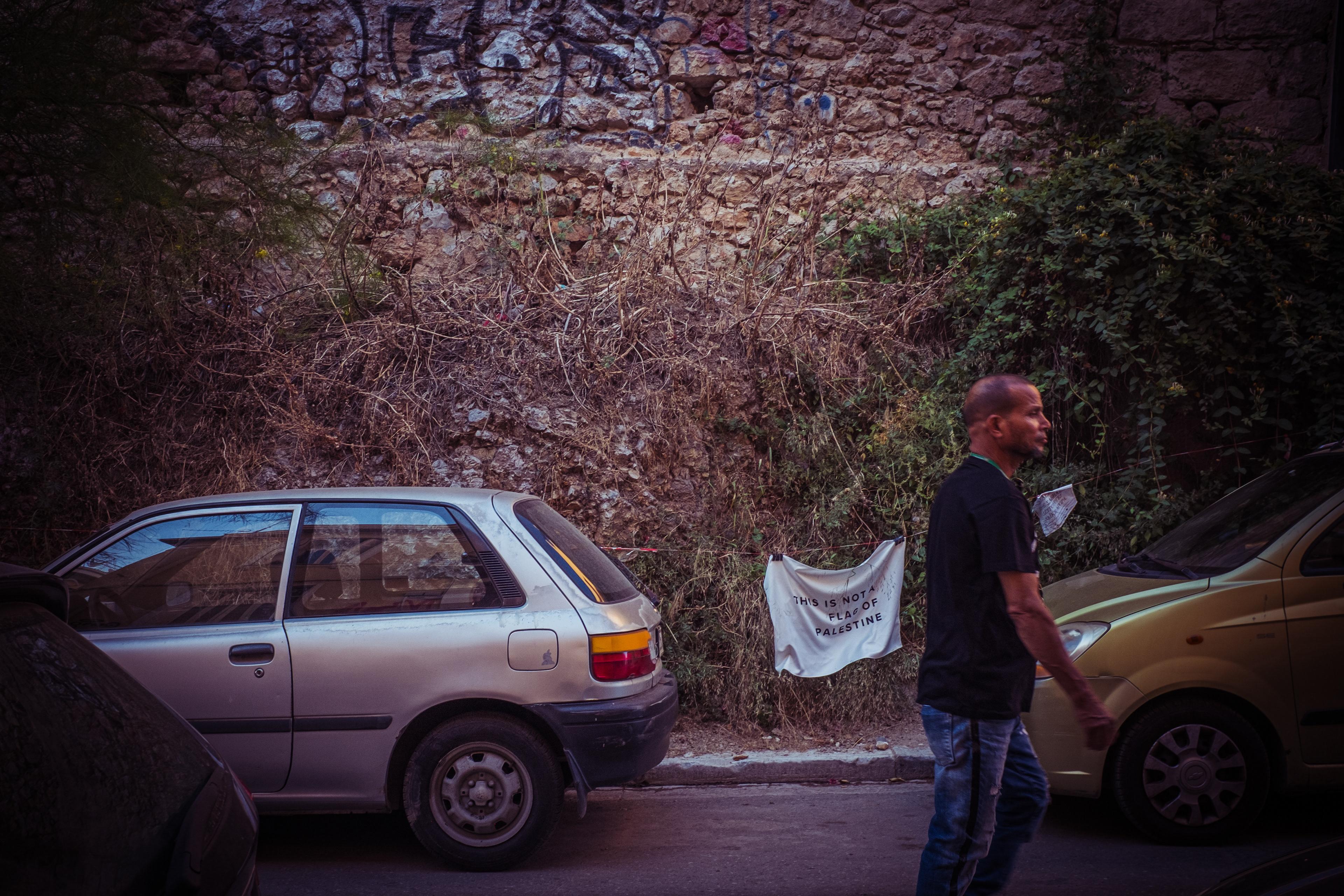
As part of this inquiry, I printed a blank flag bearing the text, “This is not a flag of Palestine,” and installed it across various sites within Exarcheia, in dialogue with the many Palestinian resistance flags and murals already embedded within the neighbourhood. In a way, the saturation of “Free Palestine” within mass media and visual culture has produced a condition where even a flag explicitly denying itself becomes immediately legible as one. I wanted this gesture to extend the work’s meditation on circularity, repetition, and the gradual process of becoming accustomed to one another’s visibility, grief, and presence.
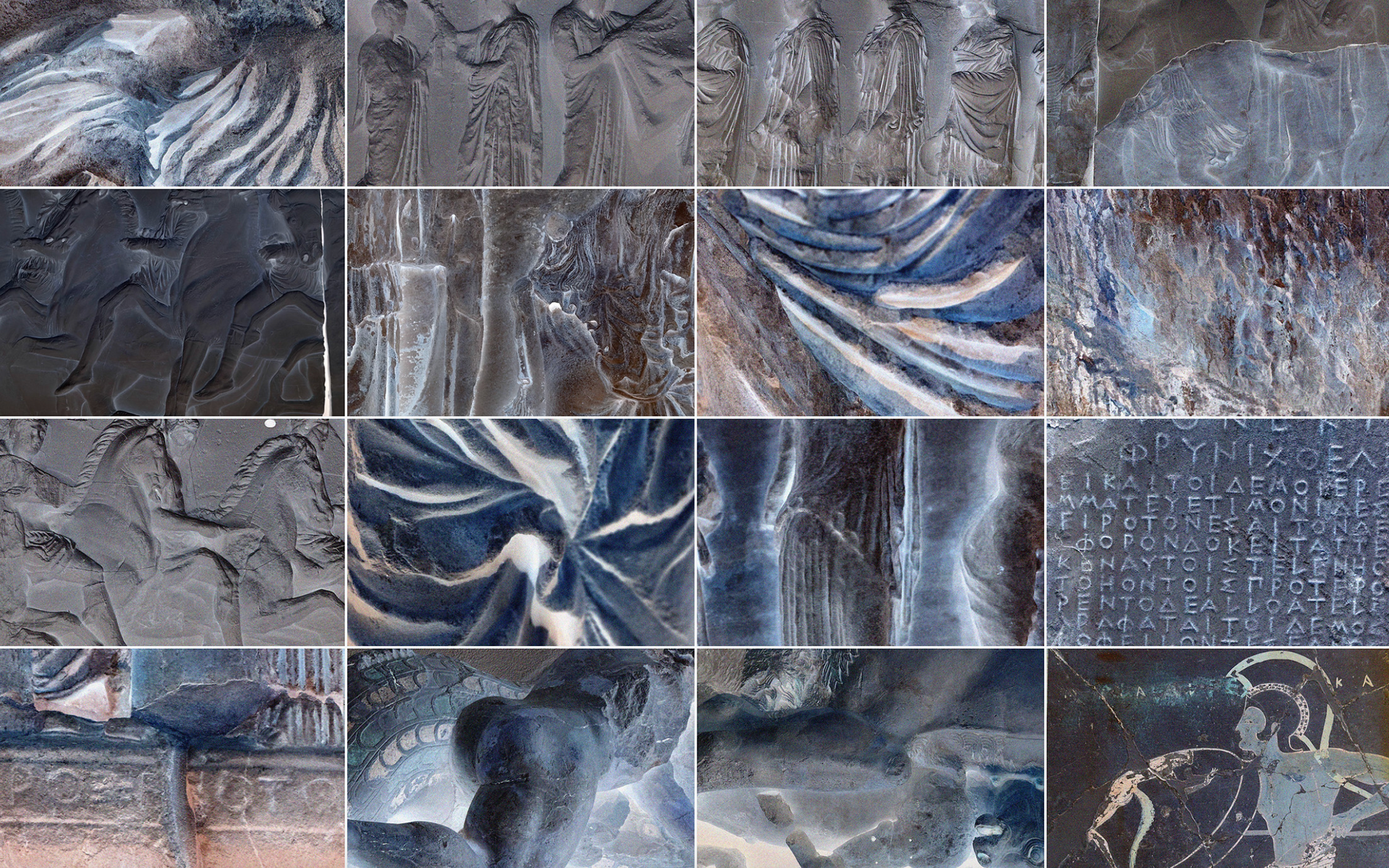
I was also interested in juxtaposing the transient visual culture of Exarcheia with the relics housed within the Acropolis Museum. There was something compelling about placing the immediacy of graffiti, protest murals, and street inscriptions against the monumental remains associated with the so-called birthplace of democracy — the architectures of systems, statehood, and civic order.
What fascinated me was the irony of legacy and abandonment that both spaces carry. The relics, now passive within the museum, are exalted as sacred artefacts of civilisation, while the markings on the streets are often regarded as insidious, unruly, or dirty. Yet both are ultimately inscriptions left behind by bodies attempting to assert presence, belief, dissent, and memory upon a surface.
The conflation of these two visual worlds within the film became, for me, another gesture of undoing — collapsing distinctions between permanence and ephemerality, authority and resistance, preservation and decay.
The Final Cut for PERKS OF BEING A WARFLOWER
To speak briefly of the film’s final strand, its title operates as a quiet play on The Perks of Being a Wallflower, with appropriation positioned at the core of its method. Extracted verses from the novel and film are interwoven with fragmentary poems by Sappho, allowing the work to meander through a shared terrain of melancholia, longing, and remembrance.
At its heart, the piece dwells on the desire to be seen, to be remembered, and to preserve a fleeting moment against the inevitability of loss. These textual fragments are not meant to fully cohere; instead, they drift toward one another, forming a kind of symbiotic script suspended between intimacy and dissonance.
The film became a final exhale for the project — almost a closing prayer — speaking toward the possibility of radical tenderness amidst crisis, disappearance, and forgetting.